Understanding Water Reclaim Systems
The demand for sustainable water management solutions is at an all-time high due to increasing water scarcity and environmental concerns. Among these solutions, Water Reclaim System stand out as innovative methods for recycling and reusing water efficiently. These systems not only benefit industrial and municipal sectors but also play a crucial role in conserving natural water resources for future generations.
What is a Water Reclaim System?
A water reclaim system refers to a technology or method designed to treat, filter, and recycle wastewater for reuse. This can include a range of applications, from capturing greywater in residential settings to industrial-scale systems that process effluent from manufacturing processes. By utilizing advanced filtration techniques like membrane bioreactors (MBR), ultrafiltration (UF), and reverse osmosis (RO), these systems can produce high-quality reusable water from contaminated sources.
Benefits of Implementing Water Reclaim Systems
The implementation of water reclaim systems can bring numerous benefits, including:
- Resource Conservation: By recycling wastewater, organizations can significantly reduce their dependence on freshwater sources, promoting sustainability and environmental stewardship.
- Cost Savings: Utilizing reclaimed water often leads to lower water bills and reduced costs associated with wastewater disposal.
- Enhanced Water Quality: Advanced treatment processes ensure that reclaimed water meets necessary standards for various applications, including irrigation and industrial use.
- Regulatory Compliance: Many regions face strict regulations regarding wastewater management. Implementing a water reclaim system can help organizations comply with these regulations.
Key Technologies in Water Reclaim Systems: MBR, UF, RO
Water reclaim systems utilize state-of-the-art technologies to ensure effective treatment and purification of wastewater:
- Membrane Bioreactor (MBR): This combines biological treatment and membrane filtration processes, offering high-quality effluent with reduced footprint and sludge production.
- Ultrafiltration (UF): A physically separate filtration method that removes suspended solids, bacteria, and some viruses, making it an essential step in many recycling processes.
- Reverse Osmosis (RO): This technology allows for the removal of dissolved solids, leading to the production of extremely pure water suitable for sensitive applications.
Applications of Water Reclaim Systems
Industrial Use Cases for Water Reclaim Systems
Industries such as food and beverage, textiles, and electronics manufacturing have found water reclaim systems invaluable for maintaining operations while minimizing environmental impact. These sectors typically generate significant amounts of wastewater, which, if treated efficiently, can be redirected back into productive use. For instance, in food processing, reclaimed water can be utilized for cleaning or irrigation purposes.
Municipal Water Reuse: How It Works
Municipal water reuse programs are increasingly incorporating water reclaim systems as part of a holistic approach to resource management. These systems treat wastewater from households and businesses, converting it into clean water that can be used for irrigation, landscaping, and even toilet flushing. This dual approach helps municipalities manage their water supply more effectively while prolonging the lifespan of freshwater resources.
Decentralized Applications in Remote Locations
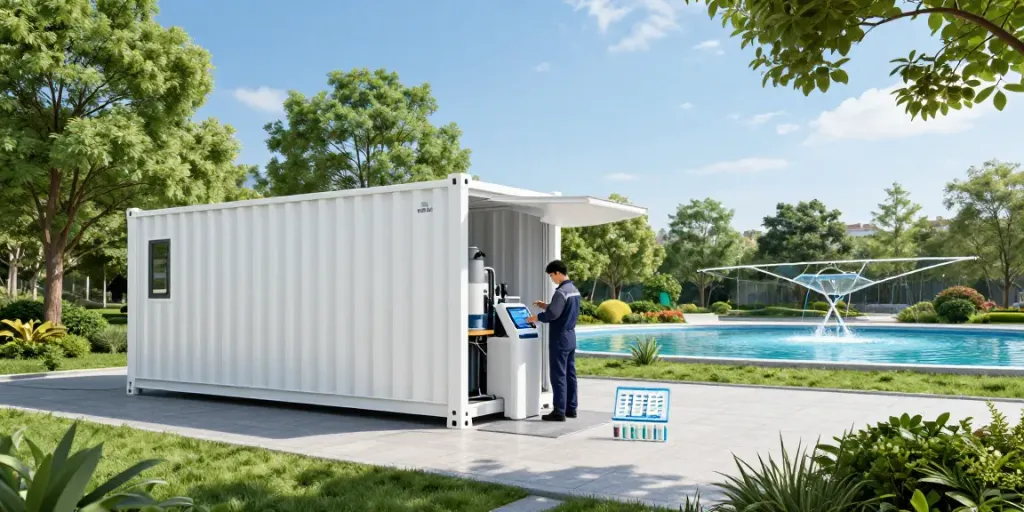
For remote areas lacking access to traditional water supply infrastructures, containerized reclaimed water systems offer an agile, scalable solution. These systems can be deployed quickly and adjusted to meet specific local demands, making them perfect for communities needing immediate access to treated water. They can turn rainwater, greywater, or other sources of effluent into a viable water supply.
Challenges in Water Reclamation
Common Misconceptions About Water Reclaim Systems
Despite the advantages, several misconceptions about water reclaim systems persist:
- Perceived Quality Issues: Some people assume that reclaimed water is inferior. However, modern treatments can produce water that meets or exceeds potable standards.
- High Initial Costs: While the upfront investment can be significant, long-term savings and regulatory compliance often offset these costs over time.
Operational Challenges in Wastewater Filtration
Operational efficiency can be impacted by various factors such as:
- System Maintenance: Regular maintenance is necessary to ensure that system components function optimally and to prevent contamination.
- Feed Water Quality: Variability in incoming water quality can affect treatment efficacy and the lifespan of system components.
Regulatory Considerations for Water Reclaim Systems
Navigating the regulatory landscape is crucial for any organization looking to implement a water reclaim system. Different regions may have varying laws regarding the use of reclaimed water. Compliance with these regulations ensures not only legal operation but also public acceptance and environmental sustainability.
Best Practices for Maximizing Efficiency
Optimizing Maintenance for Water Reclaim Systems
Implementing a routine maintenance schedule is vital for the longevity and efficiency of water reclaim systems. This includes:
- Regular inspections and cleaning of filters and membranes.
- Monitoring system performance metrics to detect anomalies early.
Utilizing Data for Performance Improvement
Data analytics can be a powerful tool in optimizing system performance. Tracking water quality parameters, operational costs, and maintenance needs enables operators to make informed decisions, ultimately leading to enhanced efficiency and reduced downtime.
Case Studies: Successful Implementations
Numerous organizations have successfully integrated water reclaim systems, yielding impressive results. For example, a municipality that implemented a reclaimed water program saw a reduction in freshwater use by over 40%, positively impacting its overall water scarcity challenges and bolstering community sustainability initiatives.
The Future of Water Reclaim Systems
Emerging Technologies and Innovations for 2026
As technology evolves, so too does the potential for water reclaim systems. Innovations on the horizon include:
- Advanced Membrane Technologies: New materials promise higher efficiency and lower fouling rates, improving operational longevity.
- AI and IoT Integration: Smart systems that utilize artificial intelligence for predictive maintenance and real-time monitoring can enhance operational efficiency.
Predictions for Water Reuse Trends
Industry experts predict a significant increase in the adoption of water reclaim systems across various sectors. As regulations tighten and water scarcity issues intensify, industries will increasingly turn to reclaimed water as a reliable resource.
Strategic Insights for Sustainable Water Management
Organizations looking to remain competitive in the upcoming years must consider sustainable water management practices. By adopting water reclaim systems, businesses not only position themselves as environmentally responsible but also bolster their operational resilience against future water-related challenges.
What is a water reclaim system?
A water reclaim system is a process designed to treat wastewater so that it can be reused, providing a sustainable alternative to conventional water sources.
Is reclaimed water cheaper than regular water?
Typically, reclaimed water can be significantly cheaper than regular municipal water, as it reduces the need for fresh water extraction and treatment.
How much does a water recycling system cost?
The costs vary widely based on system size and complexity, but many organizations find that the long-term savings outweigh the initial investment.
How to build a water reclamation system?
Building a water reclamation system involves assessing local needs, selecting appropriate technology, and ensuring compliance with regulations. Collaborating with experienced providers can simplify the process.
What are the benefits of using reclaimed water?
Benefits include reduced water costs, lower environmental impact, and enhanced resource sustainability, crucial for combating the impacts of climate change and resource depletion.