Understanding Aerospace CNC Machining
CNC machining has revolutionized the aerospace industry by providing precision-engineered components that meet stringent safety and performance standards. As one of the leading aerospace cnc parts manufacturers, Honscn has dedicated itself to ensuring that its CNC machining services uphold the highest industry standards since 2003. This article will explore the depths of aerospace CNC machining, from its definition to its applications, materials, processes, and future trends.
What is CNC Machining for Aerospace?
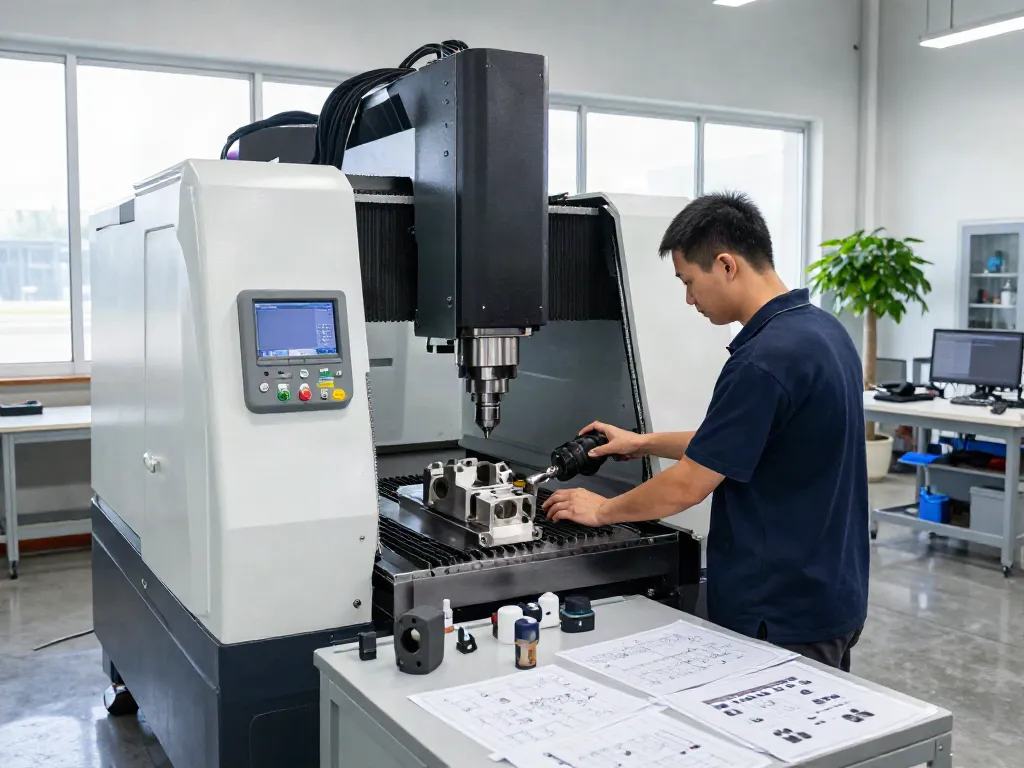
CNC (Computer Numerical Control) machining refers to the automated process of using software to control machine tools for the manufacturing of complex parts. In the aerospace sector, this technology is fundamental due to its ability to create components that are not only precise but also capable of withstanding the rigors of flight. Components such as engine housings, landing gear, and other vital aircraft parts are commonly produced using CNC machining, which allows for intricate designs and tight tolerances that are crucial in this high-stakes industry.
Key Benefits of CNC Machining in Aerospace Manufacturing
- High Precision: CNC machining can achieve tolerances as tight as ±0.001 inches, which is essential for aerospace applications.
- Efficiency: Automated processes are faster than manual machining, allowing for quicker turnaround times for prototypes and production runs.
- Repeatability: Once programmed, CNC machines can produce identical parts in large quantities, ensuring consistency across manufacturing batches.
- Flexibility: CNC technology can be adapted to create various parts, accommodating changing design requirements without the need for new setups.
Common Challenges Faced by Aerospace CNC Parts Manufacturers
The aerospace industry is not without its challenges. Manufacturers face several hurdles, such as:
- Regulatory Compliance: Adhering to strict aerospace regulations and standards (like AS9100) can be a complex and costly endeavor.
- Material Limitations: The need for advanced materials that withstand high stress and extreme temperatures can complicate sourcing and processing.
- Cost Management: The high cost of precision machining equipment and skilled labor can impact profitability.
Materials Used in Aerospace CNC Machining
Top Metal Materials for Aerospace Parts
Metal components dominate the aerospace industry due to their strength and durability. Some of the most common metals include:
- Aluminum Alloys: Lightweight yet strong, aluminum is widely used for aircraft structures and components.
- Titanium Alloys: Known for their strength-to-weight ratio and resistance to corrosion, titanium is perfect for demanding aerospace applications.
- Stainless Steel: For parts requiring exceptional strength and resistance to heat and corrosion, stainless steel serves as a reliable choice.
- Cobalt Alloys: These materials are highly resistant to wear and oxidation, making them suitable for high-temperature applications.
Exploring Plastic Materials in Aerospace Applications
While metals are predominant, plastics also play a significant role in aerospace manufacturing, particularly in non-structural parts. Common plastic materials include:
- Polypropylene (PP): Lightweight and resistant to certain chemicals, ideal for interior components.
- Polycarbonate (PC): Known for its high impact resistance, often used in canopies and windows.
- Polyvinyl Chloride (PVC): Often used in wiring and insulation due to its excellent electrical insulation properties.
Material Properties Critical for Aerospace Component Durability
The selection of material in aerospace applications hinges on several critical properties:
- Strength: Ability to withstand forces without failure.
- Weight: Lightweight materials reduce the overall mass of the aircraft, improving fuel efficiency.
- Corrosion Resistance: Materials must resist degradation from environmental factors.
- Temperature Resistance: Components must operate effectively under extreme thermal conditions.
Process of CNC Machining in Aerospace Applications
Rapid Prototyping Techniques for Aerospace Parts
Rapid prototyping is a cornerstone of modern aerospace development. Techniques like 3D printing and CNC milling allow for the quick production of prototypes, enabling designers to test and refine their components efficiently. This iterative process aids in identifying potential design flaws early, reducing the risk of costly mistakes during mass production.
Steps in Mass Production of Aerospace Components
The mass production of aerospace components typically involves several well-defined steps:
- Design Validation: Ensuring that the digital designs meet all necessary specifications and regulations.
- Tooling: Creating the necessary molds and tools for efficient production.
- CNC Machining: Employing CNC machinery to produce the parts with precision.
- Finishing: Applying various finishing processes, like anodizing or painting, to enhance the component's surface properties.
- Quality Control: Rigorous testing and inspection to ensure that every part meets industry standards.
Quality Assurance Processes in CNC Machining
Quality assurance is vital in aerospace CNC machining. Manufacturers implement various inspection techniques, including:
- Dimensional Inspection: Using tools like calipers and micrometers to verify part dimensions.
- Non-destructive Testing (NDT): Techniques such as ultrasound and X-ray to detect internal flaws without damaging components.
- Performance Testing: Subjecting parts to extreme conditions to evaluate their performance before deployment.
Case Studies of Leading Aerospace CNC Parts Manufacturers
Success Stories in Aerospace Part Precision Manufacturing
Leading manufacturers like Boeing and Lockheed Martin have pioneered the use of CNC machining in aerospace. Through advanced manufacturing techniques, they have been able to reduce production time while increasing the precision of their components.
Innovative Solutions Adopted by Industry Leaders
Many companies are now implementing smart manufacturing solutions, incorporating IoT (Internet of Things) devices to monitor machine performance in real time, thus enhancing productivity and minimization of downtime.
Lessons Learned from Leading Aerospace Machining Firms
One of the key takeaways from successful aerospace machining firms is the importance of continuous improvement. By investing in employee training and cutting-edge technology, these companies ensure they remain at the forefront of the aerospace industry.
Future Trends in Aerospace CNC Machining
Emerging Technologies Shaping Aerospace Manufacturing in 2026
As we look towards 2026, several emerging technologies are set to shape the future of aerospace machining:
- Additive Manufacturing: This technology allows for the production of complex parts that are difficult or impossible to make using traditional methods.
- Artificial Intelligence: AI algorithms are being used to optimize machining processes and predict maintenance needs.
- Advanced Materials: Research into materials like composites and smart materials is paving the way for lighter, stronger components.
Sustainability Practices in Aerospace CNC Machining
With increasing attention on environmental responsibility, aerospace manufacturers are focusing on sustainable practices, such as:
- Recycling waste materials generated during machining processes.
- Utilizing energy-efficient machinery and processes.
- Developing bio-based composites that minimize environmental impact.
Predictions for the Aerospace Industry's Future
Looking into the future, it is expected that the aerospace industry will continue to embrace digital transformation at an accelerated pace, integrating technologies such as machine learning and data analytics to enhance operational efficiency.
What are the benefits of CNC machining for aerospace?
The benefits of CNC machining for aerospace include high precision, repeatability, and efficiency, ultimately leading to reduced lead times and improved component quality.
How do leading aerospace manufacturers ensure quality?
Top manufacturers employ rigorous quality assurance processes, including thorough inspections and testing, to ensure that their components meet or exceed industry standards.
What materials are most commonly used in aerospace CNC machining?
Commonly used materials in aerospace CNC machining include aluminum alloys, titanium alloys, stainless steel, and various plastics, each selected for their individual properties and performance criteria.
What challenges do aerospace CNC manufacturers face?
Challenges faced by manufacturers include strict regulatory compliance, material sourcing difficulties, and the high costs associated with precision machining equipment and skilled labor.
How is the aerospace CNC machining industry evolving?
The industry is evolving rapidly, with advancements in technology leading to increased automation, improved materials, and a focus on sustainability and efficiency.