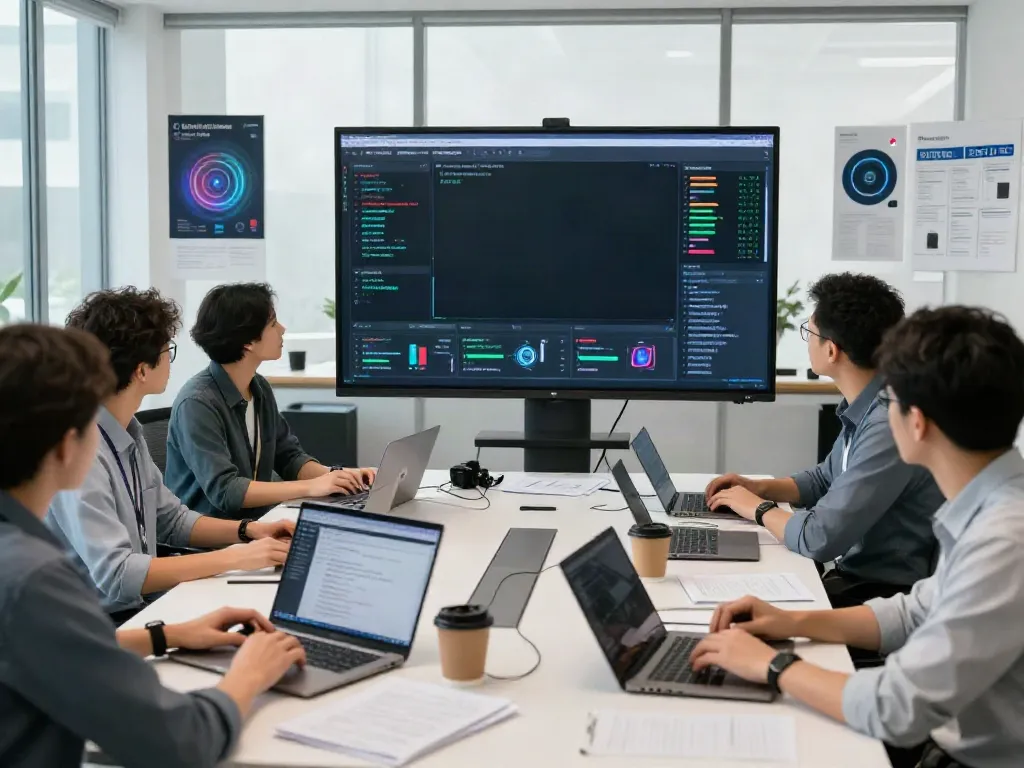
Understanding the AI Token Economy
The AI Token Economy represents a transformative shift in how artificial intelligence services are monetized and utilized. With AI models increasingly becoming integrated into various facets of business and daily life, understanding this economy is crucial for individuals and enterprises alike. The essence of AI tokenization revolves around the conversion of computational processes into measurable units that can be traded and valued similarly to currency, but with distinct operational characteristics. This model promotes efficiency, transparency, and incentivizes participation in AI services.
When exploring options, AI Token Economy provides comprehensive insights that can help stakeholders navigate this complex landscape.
What is the AI Token Economy?
The AI Token Economy is essentially the mechanism through which tokens—units of data processed by AI systems—are generated, distributed, and valued. Each interaction with an AI system, whether it's input or output, is measured in tokens. This not only helps in accounting for usage but also in monetizing AI functionalities by correlating them with real-time performance metrics and resource consumption.
Understanding this economy requires recognizing the role of these tokens, which serve as a bridge between the AI capabilities and their real-world applications. As organizations leverage AI technologies, the demand for tokens will inherently rise, further solidifying their importance in the market.
Key Components of AI Tokens
AI tokens possess several key components that define their value and function within the ecosystem:
- Generation: Tokens are generated based on computational resources consumed during AI operations. Each task a model performs incurs a token cost, reflecting the system's capabilities.
- Distribution: The flow of tokens occurs through various channels, including payments for AI services and rewards for participants who support infrastructure.
- Valuation: The valuation of tokens can fluctuate based on demand, technological advancements, and economic factors, making it essential for participants to stay informed about market trends.
The Role of Power in AI Tokenization
Electricity is the lifeblood of AI infrastructure. The processing power required for AI models, especially those reliant on GPU architecture, is substantial and directly tied to energy consumption. Therefore, the AI token economy is inextricably linked to power availability, management, and innovation.
Power plans, like those offered by 51 AIpower, play a pivotal role in supporting the necessary computing capacity and ensuring the efficient operation of AI factories. Without reliable power, the functionality of AI models suffers, diminishing the value and effectiveness of tokens produced.
How AI Infrastructure Powers the Ecosystem
AI infrastructure encompasses the vital components that enable AI functionalities, from computing power to data storage and processing capabilities. Understanding how AI infrastructure interacts with the token economy is essential for anyone looking to participate effectively.
Understanding Power Plans in AI
Power plans are tailored agreements that allow individuals and businesses to contribute to and benefit from the energy demands of AI systems. For example, through a specific power plan, participants can support the electricity used by GPU infrastructures, which in turn powers AI workloads and, ultimately, contributes to the token generation process.
These plans vary in scope and scale, allowing flexibility based on individual needs and the computational demands of AI applications. Participants can choose from various plans depending on the level of power support they require.
Contribution Models and Reward Systems
Each power plan comes with a unique contribution model, detailing how users can track their electricity support against the token generation it facilitates. The reward systems provide an incentive structure that calculates rewards based on actual participation and the performance of AI services optimized by the supported power.
- Core Power Access: Basic level of support focusing on essential usage.
- Enhanced Power Access: More robust support for moderate AI operations.
- Advanced Power Access: High-level plans designed for extensive AI tasks.
Global Power Networks Supporting AI
The AI Token Economy thrives on a global network of power resources. By connecting diverse energy sources with AI infrastructures, participants can support AI operations irrespective of geographical limitations. This global perspective enhances scalability and reliability, ensuring that AI models have the power they need to function optimally.
Furthermore, the interconnection of these networks fosters collaboration between power providers, AI infrastructure operators, and the end-users, creating an integrated ecosystem beneficial for all stakeholders involved.
Challenges within the AI Token Economy
Despite its promising prospects, the AI Token Economy faces several challenges that could hinder growth and adoption.
Common Misconceptions about AI Tokens
One prevalent misconception is that AI tokens operate like traditional cryptocurrencies, leading to confusion about their utility and value. Unlike cryptocurrencies, AI tokens are not intended for speculative trading; they serve as direct measures of computational performance and resource allocation.
Technical Challenges in Scaling AI Infrastructure
As demand for AI services rises, scaling infrastructure reliably remains a challenge. High-density GPU computing requires substantial power and cooling, making it essential to address these needs effectively. Additionally, technological advancements must keep pace with the increasing complexity of AI models and their operational requirements.
Market Fluctuations and Token Valuation
The volatility of token valuation poses a risk for participants. Market fluctuations can impact the perceived value of tokens, making it vital for stakeholders to adopt strategies for risk management and informed participation. Keeping abreast of market trends and technological innovations will be essential for long-term success in this evolving landscape.
Optimizing Participation in AI Power Plans
Active participation in AI power plans can yield significant benefits, but optimizing this engagement requires strategic insight and understanding.
Selecting the Right Power Plan for You
Choosing a power plan involves assessing individual or organizational needs against the various options available. Factors to consider include expected AI workload, power requirements, and budget constraints. By aligning the chosen plan with operational goals, participants can maximize their contributions to the AI ecosystem.
Measuring Your Contribution to AI Ecosystems
Measurement systems within these power plans allow participants to track their contributions via metrics tied to token generation and service performance. Understanding these metrics can empower users to adjust their engagement strategies dynamically and optimize their rewards.
Best Practices for Engaging with AI Tokens
To effectively engage with AI tokens, participants should consider the following best practices:
- Stay informed about technological advancements and market trends.
- Regularly assess power needs and adjust plans accordingly.
- Utilize performance metrics to gauge effectiveness and make informed decisions.
- Participate in community discussions to share insights and strategies.
Future Trends: What’s Ahead for AI Token Economy in 2026
The future of the AI Token Economy promises exciting developments as the sector adapts to technological innovations and evolving market demands.
Emerging Technologies Impacting AI Tokenization
Technologies such as blockchain have the potential to revolutionize the way tokens are issued, tracked, and valued. Enhanced security and transparency can mitigate some current challenges, fostering greater trust among participants.
Predicted Changes in Power Management and AI
As AI services continue to grow, so too will the necessity for smarter power management. Innovations in energy efficiency and renewable energy sources will become central to operational strategies, aligning with global sustainability goals.
Expanding Participation: Making AI Accessible
Efforts to democratize access to AI infrastructure are expected to expand, allowing a broader array of participants to engage in the AI Token Economy. This expansion will facilitate a more diverse ecosystem, ultimately leading to richer AI innovations and applications.