Understanding Deepfake Technology and Its Implications
Deepfake technology has become a topic of significant concern in recent years, especially with the increasing sophistication of artificial intelligence (AI) tools that enable the creation of highly realistic synthetic media. A deepfake refers to the use of AI algorithms to produce audio and video outputs that impersonate real individuals, often blurring the lines between authenticity and deception. As this technology continues to evolve, it raises critical questions about its implications, particularly in the realm of video conferencing. The need for reliable and effective deepfake protection measures is becoming increasingly paramount for organizations that rely on digital communication.
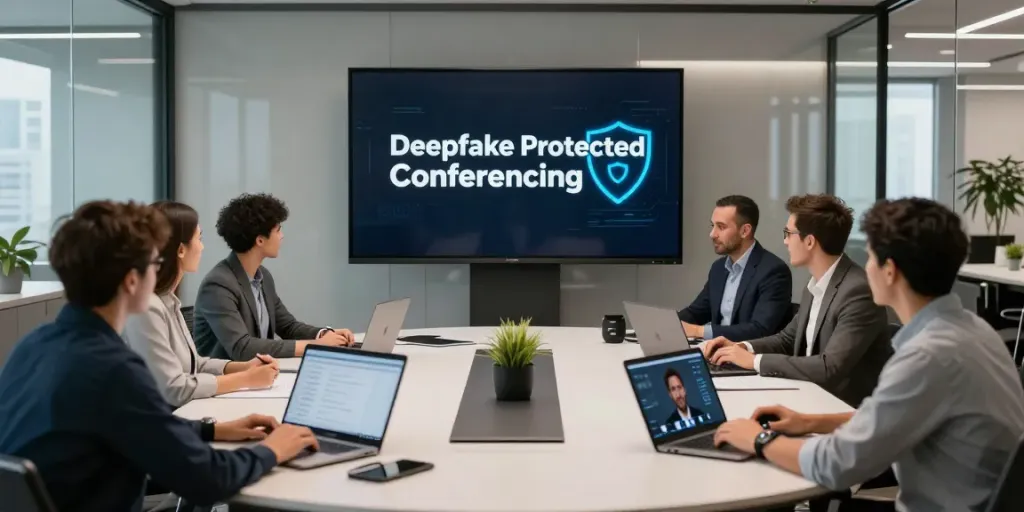
Within this context, Deepfake protected Conferencing emerges as a vital solution that organizations need to consider to safeguard their digital exchanges and maintain the integrity of their communications.
What Are Deepfakes and How Do They Work?
Deepfakes are generated through machine learning methods that use vast datasets of images and videos to produce a convincing replication of an individual's likeness. The technology typically involves deep learning algorithms, such as Generative Adversarial Networks (GANs), which can create realistic videos or audios that appear to be genuine. This capability allows malicious actors to manipulate information and authority, leading to potential misuse in various contexts, including elections, corporate espionage, and personal relationships.
The Impact of Deepfakes on Video Conferencing
In the context of video conferencing, deepfakes pose a unique challenge. The shift to remote work has significantly increased the reliance on virtual meetings, making them prime targets for deepfake technology. Cybercriminals can exploit this medium to impersonate CEOs, executives, or clients, leading to unauthorized access to sensitive information or even financial fraud. The risk extends to reputational damage, as deepfakes can propagate misinformation and alter public perception.
Legal Considerations Surrounding Deepfake Usage
The rise of deepfakes has also caught the attention of lawmakers, prompting discussions around the legal ramifications associated with their usage. While the First Amendment protects freedom of speech, it does not provide a blanket protection against the malicious use of deepfakes. Various states in the U.S. are considering legislation to regulate the use of synthetic media, particularly in political contexts where authenticity is paramount. Understanding these legal frameworks is crucial for organizations to mitigate risks effectively.
The Need for Deepfake Protected Conferencing
As deepfakes evolve, organizations must recognize the potential risks associated with digital communication. Inadequate protection can lead to breaches that compromise both security and trust amongst stakeholders.
Identifying Potential Risks in Digital Communication
Digital communication has transformed how businesses operate, yet it is fraught with potential vulnerabilities. Deepfakes can be utilized to impersonate key decision-makers during critical meetings, resulting in unauthorized transactions or strategic information theft. Recognizing these risks is the first step toward implementing effective countermeasures.
Challenges in Maintaining Security and Authenticity
One of the foremost challenges organizations face is the difficulty in discerning between genuine and manipulated media. The sophistication of deepfake technology makes it increasingly hard for individuals to identify potential threats in real-time. This uncertainty can hinder decision-making processes and create a culture of distrust within teams and with external partners.
Case Studies: Real-World Implications of Deepfake Security Breaches
Numerous case studies illustrate the dire implications of inadequate deepfake protection. For instance, in a notable incident, a deepfake was used to impersonate a company's CEO, instructing an employee to transfer funds to a fraudulent account. This resulted in a significant financial loss and raised alarms about the security of virtual communications. Such incidents underline the necessity for organizations to adopt rigorous security measures against deepfake threats.
Implementing Deepfake Protection Measures
To counter the rising threat of deepfakes, businesses need to adopt a structured approach to secure their video conferencing platforms.
Best Practices for Secure Video Conferencing
Establishing best practices for video conferencing is essential for enhancing security. This includes verifying participants' identities before meetings, requiring passwords or PINs for access, and utilizing secure connections. Additionally, organizations should encourage users to be vigilant, questioning any unusual requests or actions during meetings.
Tools and Technologies for Deepfake Detection
Several tools and technologies are available to help detect deepfakes and other manipulated media. Solutions that leverage AI and machine learning can analyze discrepancies within videos or audio samples to flag potential deepfakes. Organizations should invest in state-of-the-art detection systems that integrate seamlessly with their existing conferencing tools.
Creating a Culture of Security Within Your Organization
Fostering a security-conscious culture is critical for organizations to stay ahead of deepfake threats. This can be accomplished through regular training sessions, awareness campaigns, and encouraging open communication about security practices. Empowering employees to recognize potential threats is essential for the overall safety of the organization.
Evaluating and Selecting Deepfake Protection Solutions
The market for deepfake protection solutions is growing rapidly, with various options available to organizations looking to enhance their security posture.
Comparative Analysis of Available Solutions
Businesses should conduct a comprehensive comparative analysis of available deepfake protection solutions. This analysis should focus on effectiveness, user-friendliness, and integration capabilities with existing systems. Solutions that offer real-time detection and proactive notifications should be prioritized.
Factors to Consider When Choosing a Deepfake Protection Tool
When selecting a deepfake protection tool, organizations should consider factors such as scalability, ease of implementation, and the reputation of the vendor. It's also essential to assess the tool's ability to adapt to emerging threats, ensuring long-term protection against evolving deepfake technologies.
User Experiences and Testimonials with Deepfake Detection Tools
Collecting user experiences and testimonials can provide invaluable insights into the effectiveness of deepfake detection tools. Engaging with existing users can help organizations understand the benefits and limitations of specific solutions, guiding better decision-making.
Future Trends in Deepfake Technology and Protection
As technology advances, staying informed about future trends in deepfake technology is vital for organizations seeking to protect their communications.
Emerging Challenges in the Deepfake Landscape
The deepfake landscape is likely to evolve, presenting new challenges for organizations. As detection methods improve, so too will the methods used to create deepfakes. This arms race necessitates continuous adaptation and vigilance on behalf of organizations to safeguard their communications.
Predictions for Deepfake Technology Developments by 2026
Experts predict significant developments in deepfake technology by 2026, including more advanced generative models capable of producing near-indistinguishable media. In addition, regulatory frameworks may become more standardized globally, influencing how deepfake content is created and disseminated.
Keeping Ahead: Continuous Education on Deepfake Threats
To remain competitive and secure, organizations must prioritize continuous education regarding deepfake threats. This includes staying updated on the latest advancements in AI and deepfake technology and participating in forums and discussions surrounding cybersecurity practices.
What is deepfake protected conferencing?
Deepfake protected conferencing refers to the integration of specific security measures and technologies designed to safeguard virtual meetings from the threats posed by deepfake technology. This involves using advanced detection tools, authentication protocols, and user training to ensure all participants are genuine, thus maintaining the integrity of business communications.
How can deepfake technology affect my business meetings?
Deepfake technology can significantly affect business meetings by allowing malicious actors to impersonate key individuals, leading to unauthorized information access or financial transactions. The potential for reputation damage and the erosion of trust can have long-lasting effects on organizational dynamics.
What tools are available for deepfake detection?
There are various tools available for detecting deepfakes, including AI-powered software that analyzes video and audio streams for signs of manipulation, and platforms that provide real-time alerts on potential threats. Businesses should evaluate and choose solutions that align with their specific needs.
Are there legal protections against the misuse of deepfakes?
Legal protections against the misuse of deepfakes are still developing. Various states and countries are enacting laws to regulate the creation and distribution of deepfakes, particularly those intended to mislead or cause harm. Organizations must stay informed about relevant legislation to ensure compliance and protect themselves from potential legal repercussions.
How can we prepare for future developments in deepfake technology?
Preparing for future developments in deepfake technology requires organizations to adopt a proactive approach. This includes investing in cutting-edge detection technologies, continuous training for employees, and establishing clear protocols for handling suspected deepfake incidents.