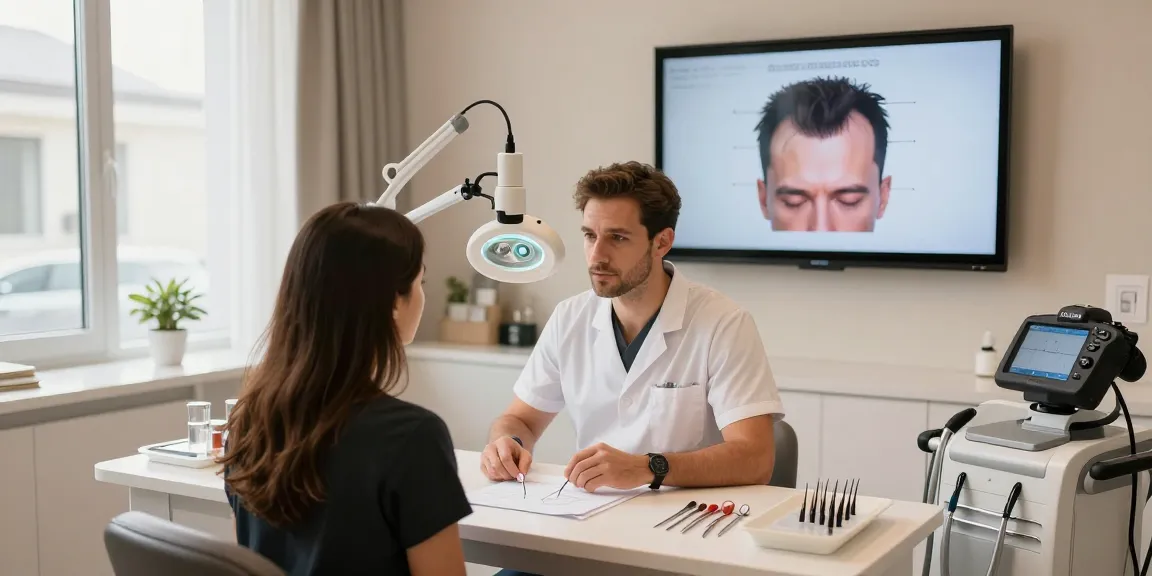
The Growing Demand for Hair Transplant Istanbul in 2026
As we advance into 2026, the global demand for hair restoration solutions continues to surge, with Istanbul emerging as a prominent hub for hair transplants. This city has not only gained a reputation for quality medical services but also offers competitive pricing, attracting individuals from different parts of the world. When exploring options, hair transplant istanbul provides comprehensive insights into the procedures and clinics available, catering to a growing clientele seeking effective solutions for hair loss.
Understanding Hair Loss and Its Impact
Hair loss can significantly affect an individual's self-esteem and confidence. Factors such as genetics, hormonal changes, medical conditions, and lifestyle choices contribute to various types of hair loss, including androgenetic alopecia, alopecia areata, and telogen effluvium. Each condition presents unique challenges, leading many to seek out hair restoration techniques. The emotional and psychological impacts of hair loss underscore the importance of addressing this issue, as individuals often report lower self-esteem and increased anxiety due to their appearance.
In 2026, public perception surrounding hair transplants continues to evolve, with a growing acceptance of these procedures as viable and effective solutions. People are more informed about the treatment options available and are increasingly willing to invest in their appearance, thus driving the demand for hair restoration services in Istanbul.
Market Trends in Hair Restoration Techniques
The hair restoration market is witnessing a transformative shift as innovative techniques emerge and traditional methods are refined. The introduction of minimally invasive procedures, such as Follicular Unit Extraction (FUE), has made hair transplants more accessible and comfortable for patients. Additionally, advancements in technology, such as robotic-assisted hair transplantation and the use of platelet-rich plasma (PRP) therapy, are enhancing surgical outcomes and recovery times.
Moreover, the integration of telemedicine is revolutionizing the consultation process. Patients now can engage with specialists remotely, facilitating pre-surgical assessments and post-operative follow-ups without the need for extensive travel. This trend is particularly appealing to international patients who consider Istanbul a prime destination for hair restoration.
Why Istanbul is a Preferred Destination
Istanbul stands out as a leading choice for hair transplants due to several key factors. Firstly, the city boasts a plethora of reputable clinics offering state-of-the-art facilities and experienced surgeons. Many of these clinics have internationally accredited standards, ensuring patients receive high-quality care.
Secondly, the cost of hair transplant procedures in Istanbul is significantly lower than in Western countries, making it an attractive option for those seeking affordability without compromising quality. Coupled with the opportunity to explore the rich culture and history of Istanbul, it becomes more than just a medical journey; it transforms into a rewarding travel experience.
Choosing the Right Clinic for Hair Transplant Istanbul
Key Factors to Consider When Selecting a Clinic
Choosing the right clinic is paramount for a successful hair transplant journey. Patients should evaluate several factors, including the clinic's accreditation, the experience level of the surgeons, and the techniques employed. A reputable clinic always provides transparency regarding its procedures, costs, and potential outcomes.
- Accreditation: Ensure the clinic is licensed and certified by relevant health authorities.
- Surgeon Expertise: Research the qualifications and experience of the surgeons performing the procedures.
- Technology and Techniques: Inquire about the tools and methods used, as cutting-edge technology often yields better results.
What to Look for in Surgeon Qualifications?
When assessing potential surgeons for your hair transplant, consider their educational background and professional affiliations. Surgeons certified by recognized boards in dermatology or plastic surgery often have extensive training in hair restoration techniques, greatly enhancing their competence. It's also prudent to look for before-and-after photos from previous patients, which can provide insights into the surgeon's skill level and artistry.
Reading Reviews and Testimonials Effectively
Patient reviews and testimonials are invaluable resources for assessing a clinic's reputation. Look for patterns in feedback regarding the quality of care, the professionalism of the staff, and patient satisfaction with results. Websites dedicated to medical tourism often provide honest reviews from previous patients, which can help inform your decision-making process.
Innovative Techniques in Hair Transplant Istanbul
FUE vs. FUT: Which is Right for You?
Follicular Unit Extraction (FUE) and Follicular Unit Transplantation (FUT) are the two primary hair restoration techniques used today. FUE involves extracting individual hair follicles from the donor area, which minimizes scarring and promotes quicker recovery times. In contrast, FUT involves removing a strip of scalp from the donor area, from which hair follicles are harvested.
Choosing between FUE and FUT depends on individual factors, including the extent of hair loss, the desired density, and the patient's lifestyle. A thorough consultation with a qualified surgeon can help determine the most suitable option for each patient.
The Role of Technology in Modern Hair Transplants
Technology plays a critical role in enhancing the effectiveness of hair transplant procedures. Innovations such as robotic-assisted systems, which automate the FUE process, allow for greater precision and speed. Moreover, advancements in imaging technology enable surgeons to analyze hair patterns and design customized treatment plans for patients.
Furthermore, the use of PRP therapy in conjunction with hair transplant procedures has emerged as a significant trend. By injecting patients’ own platelet-rich plasma into the scalp, surgeons can stimulate hair growth and improve overall healing, leading to more satisfactory outcomes.
Post-Procedure Care for Optimal Results
Post-operative care is crucial for achieving optimal results after a hair transplant. Patients should follow the surgeon's guidelines, which may include avoiding strenuous activities, keeping the scalp clean, and using prescribed medications to promote healing. Regular follow-up appointments will also help monitor progress and ensure that the transplant is taking properly.
Cost Analysis of Hair Transplant Istanbul Services
Understanding the Pricing Structure
The cost of hair transplant procedures in Istanbul varies based on several factors, including the chosen technique, the number of grafts required, and the clinic's reputation. Generally, prices in Istanbul are significantly lower compared to Western countries, making it a popular destination for hair restoration.
Patients can expect to pay anywhere from $1,500 to $4,000 for a hair transplant, depending on their specific requirements. It's essential to thoroughly evaluate what is included in the quoted price, as some clinics may offer packages that encompass pre-and post-operative care, medications, and follow-up consultations.
Comparing Costs: Istanbul vs. Other Cities
When comparing hair transplant costs, Istanbul stands out favorably against cities like Los Angeles or London, where prices can easily reach upwards of $10,000 for similar procedures. This stark contrast enhances Istanbul's status as a leading medical tourism destination for individuals seeking affordable and high-quality hair restoration.
Financing Options for Hair Restoration
Many clinics in Istanbul offer flexible financing options to accommodate patients' budgetary needs. Payment plans, credit options, and financing through third-party healthcare lenders are increasingly common, making hair transplants accessible to a broader audience. Be sure to inquire about the available financing arrangements during the initial consultation.
Future Trends in Hair Restoration Techniques
Emerging Technologies in Hair Transplants by 2026
As we look to the future, emerging technologies are likely to redefine the landscape of hair restoration. Advances in genetic research and biotechnology might pave the way for solutions that address the root causes of hair loss, potentially leading to regenerative therapies that could restore hair naturally.
Moreover, the advent of artificial intelligence in clinical practices could lead to enhanced predictive analytics for individual hair loss patterns, improving the personalization of treatment plans for patients.
Patient-Centered Care: A New Paradigm
In 2026, patient-centered care is expected to become a hallmark of the hair restoration industry. This approach focuses on involving patients in the decision-making process and tailoring treatments to meet their unique needs and expectations. The rise of telemedicine and virtual consultations enables more personalized interactions between patients and healthcare providers.
Predictions for the Hair Restoration Industry
The hair restoration industry is set to grow exponentially in the coming years, driven by increasing awareness of available treatment options and rising demand for aesthetic procedures. As more individuals seek effective solutions for hair loss, clinics will likely continue to innovate and enhance their offerings, ensuring that patients receive the best possible care.
What are the common side effects of hair transplants?
While hair transplants are generally safe, patients may experience common side effects such as swelling, bruising, and discomfort in the treated area. It’s essential to discuss any concerns with your surgeon and understand the risks involved.
How long is the recovery time after a hair transplant?
Most patients can return to normal activities within a week after their procedure, though complete healing may take several months. Post-operative care is crucial during this time for optimal results.
Are hair transplants permanent solutions?
Hair transplants are considered a permanent solution for hair loss, as the transplanted hair follicles are typically resistant to the factors that cause hair loss. However, ongoing hair loss may still occur in untreated areas.
What makes Istanbul a hotspot for hair transplant?
Istanbul's blend of affordability, quality care, and advanced medical technology makes it a leading destination for those seeking hair restoration. The city combines expert medical services with a rich cultural experience, appealing to many international patients.
How to prepare for a hair transplant procedure?
Preparation for a hair transplant involves several key steps including consulting with a qualified surgeon, following pre-operative guidelines, and setting realistic expectations for the outcome. Adequate planning ensures a smoother experience and better results.