Understanding 3ml Bac Water and Its Applications
Bacteriostatic water, specifically in the 3ml format, is a critical component in various laboratory and research settings. It serves as a sterile diluent for reconstituting lyophilized peptides and other biological preparations. With a composition that includes 0.9% benzyl alcohol, this solution not only maintains sterility but also inhibits the growth of bacteria without eradicating existing viable cultures. When exploring options, 3ml bac water provides comprehensive insights due to its utility in precise scientific applications.
What is 3ml Bac Water?
3ml bac water is traditionally used in laboratory environments as a sterile solution ideal for diluting and reconstituting biologics. It combines purified water with a small percentage of benzyl alcohol, which acts as a preservative. This solution is often found in multi-dose vials designed for repeated use, making it a practical choice for research involving peptides and hormones. The consistent formulation ensures reliability in experiments focused on protein studies, medication efficacy testing, and other biological research applications.
Key Uses in Laboratory Research
The utility of 3ml bac water spans several applications in the scientific community, including:
- Peptide Reconstitution: One of the primary uses is for reconstituting lyophilized peptides, which are often used in clinical research and pharmacological studies.
- Controlled Laboratory Experiments: It serves as a diluent in experiments that require precise concentrations of substances where contamination must be minimized.
- Cell Culture: Researchers also utilize bac water in cell culture preparations, where sterility is crucial for successful cell growth and experimentation.
Benefits of Using Bac Water for Peptides
Using bacteriostatic water for peptide research offers several advantages:
- Safety: The presence of benzyl alcohol helps prevent microbial contamination, ensuring the integrity of the samples.
- Convenience: The multi-use vials allow for easy access to the solution without the need for new vials each time, promoting efficiency in lab settings.
- Compatibility: Bac water is compatible with various peptide formulations, making it a versatile tool in peptide research and applications.
Common Challenges with 3ml Bac Water Usage
Stability Issues and Storage Best Practices
While 3ml bac water is relatively stable, several factors may affect its longevity and effectiveness. Proper storage is essential to maintain its integrity:
- Temperature Control: Store bac water in a cool, dry place away from direct sunlight. Extreme temperatures can alter its effectiveness.
- Expiration Dates: Always check expiration dates and ensure usage within recommended time frames to avoid compromised solutions.
Identifying Common Contamination Risks
Contamination is a significant risk in laboratory environments, particularly concerning bacteriostatic water:
- Improper Handling: Using unsterile equipment or touching the vial's interior can introduce contaminants.
- Multiple Punctures: Although the self-healing port design helps, repeated punctures without proper aseptic technique can lead to contamination.
Dos and Don’ts in Laboratory Settings
To mitigate potential issues with bac water, researchers should follow specific dos and don’ts:
- Do: Use sterile syringes and needles when drawing from the vial.
- Don't: Leave vials uncapped for extended periods during usage.
- Do: Label vials with relevant information on the peptides or substances stored.
- Don't: Mix different substances into the same vial of bac water.
Best Practices for Handling 3ml Bac Water
Optimal Techniques for Reconstitution
Reconstituting peptides with 3ml bac water requires precision to ensure accurate concentrations. Here are some best practices:
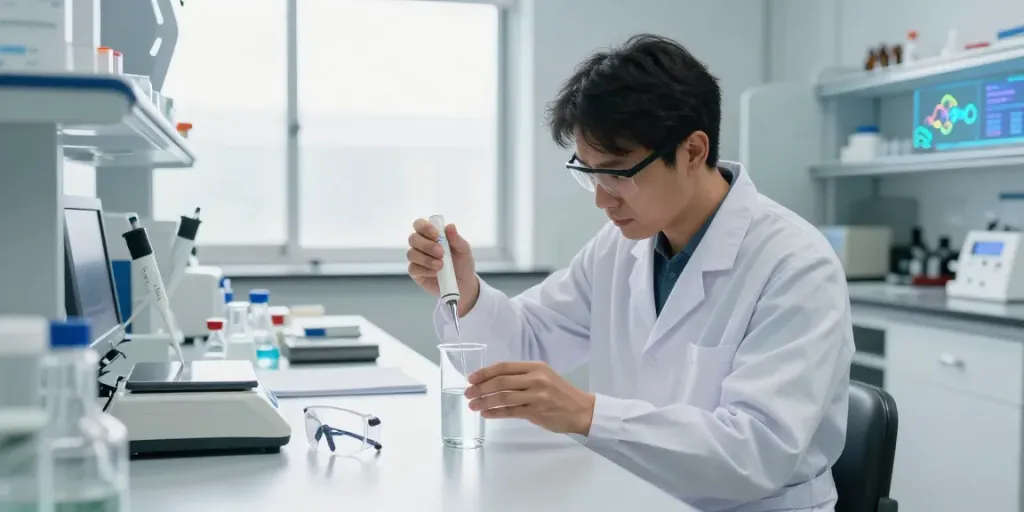
- Use Proper Measurement: Ensure you're measuring the correct volume of bac water using a calibrated syringe or pipette.
- Gentle Mixing: After adding bac water, gently swirl the vial to mix rather than shaking it vigorously, which can damage sensitive peptides.
Essential Safety Protocols in the Lab
Safety is paramount when handling bac water. Here are essential protocols to follow:
- Personal Protective Equipment (PPE): Always wear appropriate PPE, including gloves and lab coats, to prevent exposure.
- Biological Safety Cabinets: Work in a biosafety cabinet when handling sensitive biological materials.
Tools and Equipment for Precise Measurement
Investing in the right tools can drastically affect the accuracy of your experiments:
- Syringes: Use Luer-lock syringes for secure attachment to needles.
- Pipettes: Employ adjustable pipettes for precise volume measurements.
Real-World Applications of 3ml Bac Water
Case Studies in Pharmaceutical Research
Numerous studies showcase the application of 3ml bac water in pharmaceutical research. For instance, researchers have successfully used bac water to reconstitute peptide drugs for testing in controlled environments, demonstrating its effectiveness in formulations requiring precision and sterility.
Utilization in Clinical Trials
In clinical trials, the use of 3ml bac water is crucial for reconstituting treatments before administration. Its reliability ensures consistent dosing and minimizes adverse effects associated with contamination.
Success Stories from Leading Laboratories
Several leading laboratories have reported significant advancements in their research outcomes due to the use of 3ml bac water, highlighting improved results in peptide stability and drug efficacy. By adhering to best practices, these organizations have pioneered new methodologies in peptide research.
Future Trends for 3ml Bac Water in 2026
Emerging Technologies Shaping Research
The future of 3ml bac water in research is promising, with emerging technologies such as automated dilution systems and enhanced safety features in packaging design expected to revolutionize its use. These innovations will likely improve precision and reduce the risk of contamination.
Predictions for Bac Water Usage in New Applications
As research expands into new frontiers, the application of bac water might extend beyond traditional lab settings to environmental studies and biopharmaceuticals, showcasing its versatility and importance.
Insights from Experts on Future Developments
Experts predict that enhancements in storage solutions and formulations will make 3ml bac water an even more essential tool across various scientific disciplines. Continued advancements in research techniques will further solidify its role in the lab.
How much BAC water for a 3 mL vial?
The amount of bac water suitable for a 3 mL vial often depends on the specific reconstitution requirements dictated by the peptides being used. A general guideline starts at 1 mL for low-concentration solutions, but always refer to specific peptide protocols for guidance.
Where can I get 3ml BAC water?
3ml bac water can be procured from various scientific supply manufacturers and online retailers specializing in laboratory tools. Ensure to verify the purity and sterility of the product before purchase.
What is bacteriostatic water 3ml?
Bacteriostatic water in the 3ml format is a specially formulated solution containing 0.9% benzyl alcohol. It is designed to provide a sterile environment for reconstituting peptides and other biological materials while preventing microbial growth during use.
How many units is 1 mL of BAC water?
One milliliter of bac water is equivalent to one unit, given that measurements in laboratory contexts often follow direct volumetric equivalents. It is crucial to measure precisely to maintain correct concentrations in experiments.
What are the best practices for using 3ml bac water?
Best practices include storing in a cool environment, using sterile equipment for access, and adhering to recommended practices for reconstitution to ensure the integrity and effectiveness of the solution over time.