The Rise of Smart Homes: Understanding the Market Trends
As the world becomes increasingly interconnected, the demand for smart home solutions is on the rise. With advancements in technology, homeowners are looking for ways to enhance their living environments through automation. This has led to a significant shift in the market, where convenience, security, and energy efficiency are paramount. In this rapidly evolving landscape, companies like جهان اسمارت are at the forefront, providing innovative solutions that cater to the diverse needs of modern living.
Current Landscape of Smart Home Technology
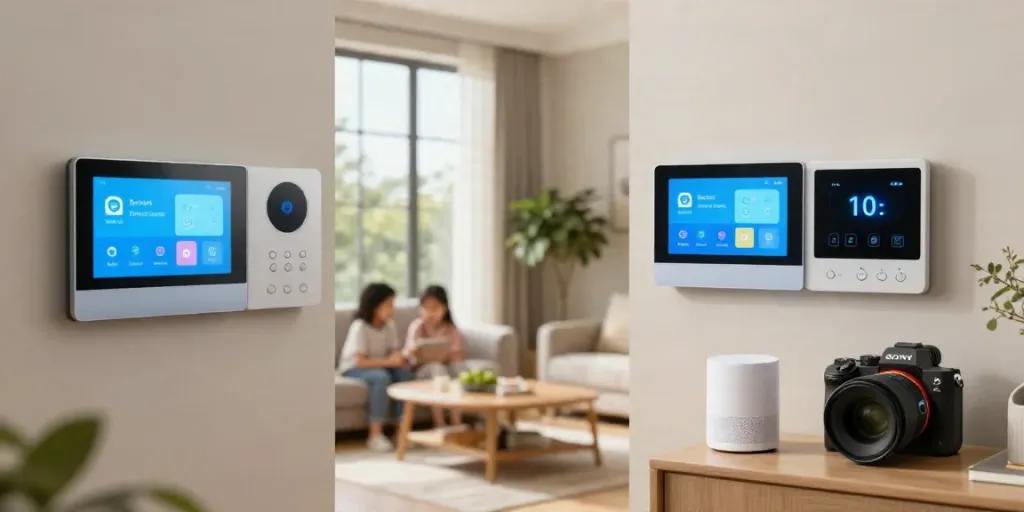
The smart home market is characterized by a plethora of devices and systems designed to improve everyday life. From smart thermostats that learn your schedule to security cameras you can monitor from anywhere, the variety is vast. In 2026, it's expected that the integration of artificial intelligence and IoT (Internet of Things) will become more prevalent, allowing for seamless interactions between devices.
Key Players in the Smart Home Industry
Several companies dominate the smart home space, each offering unique products that contribute to the ecosystem. Major players include Google Nest, Amazon Echo, and Apple HomeKit. However, localized solutions like جهان اسمارت provide customized offerings that cater to regional preferences and regulatory environments, making them significant contenders in the market.
Consumer Preferences and Demand for Smart Solutions
Today's consumers are not just looking for gadgets; they are seeking integrated systems that enhance their lifestyle. Features such as voice activation, automation, and remote control have become standard expectations. As energy costs rise, many homeowners are also prioritizing energy-efficient solutions that help reduce their bills and carbon footprints.
Benefits of Smart Home Integration with جهان اسمارت
Energy Efficiency: Reducing Costs and Carbon Footprint
One of the most significant advantages of smart home technology is its ability to enhance energy efficiency. Smart devices can optimize energy use, reduce waste, and lower utility bills. For example, smart thermostats adjust heating and cooling systems based on real-time data, ensuring that energy is used only when necessary. This efficiency can lead to substantial savings over time.
Enhanced Security Features for Modern Homes
Home security is a top concern for many homeowners, and smart home technology significantly elevates safety measures. With systems that can include smart locks, video doorbells, and motion sensors, homeowners can monitor their properties remotely. Integration with smartphones allows for real-time alerts and control, creating a more secure living environment.
Convenience and Comfort: Living with Smart Technology
The convenience offered by smart home devices cannot be overstated. Homeowners can control lighting, climate, and appliances with simple voice commands or through mobile apps, making day-to-day tasks easier. This level of automation enhances overall comfort and can substantially improve the quality of life.
Challenges in Smart Home Implementation
Common Misconceptions About Smart Home Systems
While smart homes offer numerous benefits, misconceptions about technology complexity and costs can deter potential users. Many believe that smart home systems are solely for tech-savvy individuals or that they require extensive renovations. However, solutions available today are user-friendly and can often be retrofitted to existing homes without significant investment.
Technical and Compatibility Issues
One of the biggest challenges in smart home implementation is ensuring all devices communicate effectively. Homeowners may face compatibility issues between various brands and systems. To overcome this, it's important to choose interconnected products that utilize common standards, ensuring seamless integration.
Privacy Concerns Surrounding Smart Devices
As homes become smarter, the risk of privacy breaches increases. Smart devices often collect data that can be vulnerable to hacking. Homeowners should educate themselves on best practices for securing their networks, such as enabling two-factor authentication and regularly updating software.
Future Technologies in Smart Home Solutions
Emerging Trends in Home Automation for 2026
Looking ahead, the smart home market is poised for remarkable innovation. Emerging trends include the rise of personal assistants powered by AI, which will be able to learn user preferences and make proactive suggestions. Furthermore, we can expect advancements in home energy management systems that optimize energy consumption based on real-time pricing and availability.
AI and Machine Learning: The Next Frontier in Smart Homes
Artificial intelligence and machine learning are transforming the smart home landscape by enabling devices to learn from user behavior. This allows for personalization, making home automation more intuitive. For instance, AI can predict when homeowners are likely to arrive and adjust home settings accordingly.
Integration with Renewable Energy Systems
As sustainability becomes a focal point, integration with renewable energy sources is a key trend. Smart homes equipped with solar panels and energy storage systems can manage energy use more effectively. Homeowners can not only reduce their reliance on the grid but also contribute to a more sustainable future.
Implementing Smart Solutions: A Step-by-Step Guide
Choosing the Right Products for Your Smart Home
When selecting smart home products, consider your specific needs and lifestyle. Research compatibility with existing devices, and prioritize brands that offer comprehensive customer support. It’s essential to focus on functionality and ease of use to enhance your overall experience.
Professional Installation vs. DIY: What to Consider
Deciding between professional installation and a do-it-yourself approach depends on your comfort level with technology. While DIY can save money, professional installations often ensure optimal setup and integration. Evaluate the complexity of the system and consider hiring professionals for intricate installations.
Monitoring and Managing Your Smart Home Environment
Once your smart home system is in place, consistent monitoring is crucial. Utilize apps and dashboards provided by your devices to track performance and usage patterns. This insight can lead to further efficiency and customization of your home environment.
What are some practical applications of smart home technology?
Smart home technology extends beyond basic automation. Practical applications include voice-controlled lighting, automated blinds, intelligent irrigation systems, and even smart kitchen appliances that help streamline meal prep. These devices enhance convenience and can significantly improve daily routines.
How does smart home integration impact energy bills?
Smart home devices can lead to substantial reductions in energy bills through better management of usage. Devices that learn your habits can automate settings like heating and lighting based on your schedule, thereby reducing waste and optimizing consumption.
What are the best practices for securing smart homes?
To secure your smart home, start by changing default passwords on all devices. Use strong, unique passwords, and regularly update them. Ensure that your home network is secure by using a firewall and enabling encryption. Educating yourself about potential vulnerabilities is also essential.
What future innovations should we expect in smart home technology?
Future innovations in smart home technology may include enhanced integration with smart cities, where homes communicate with municipal systems for improved efficiency. This could lead to real-time traffic updates or energy management based on community-wide data.
How can homeowners assess their needs for smart technology?
Homeowners can assess their needs by evaluating their daily routines and identifying pain points. Consider which tasks could be simplified through automation and prioritize those areas during the selection process. The goal is to enhance quality of life without overwhelming complexity.