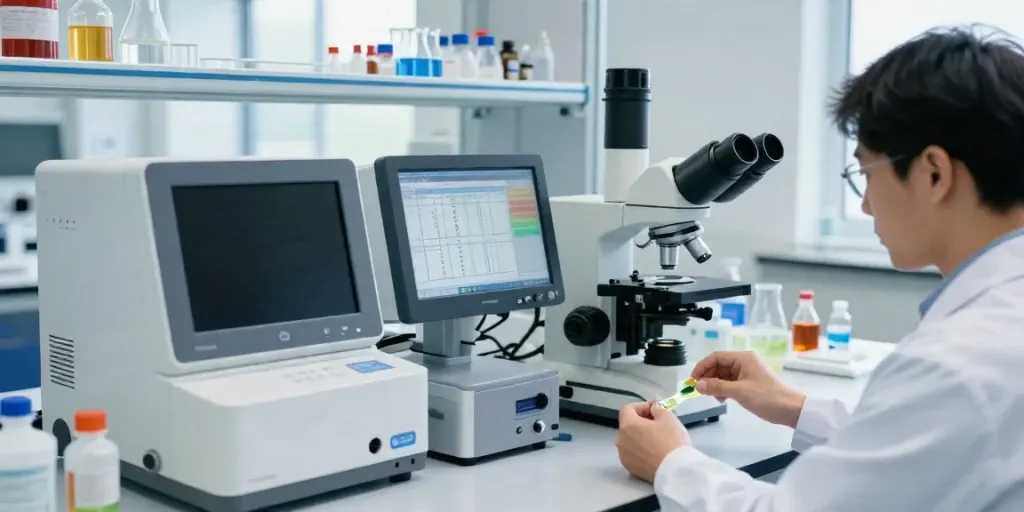
Introduction to the Former DiagnoSwiss Website
The the former DiagnoSwiss website stands as a critical element in the landscape of diagnostic technology, influencing numerous healthcare practices across various disciplines. With its rich legacy, the website had been a hub for innovative solutions that not only enhanced the accuracy of diagnostics but also pushed the boundaries of what was possible within the realm of medical testing and analysis. Understanding the intricate features and offerings of DiagnoSwiss allows us to appreciate its significant role in shaping diagnostic methods that cater to the evolving needs of healthcare providers and patients alike.
Understanding Its Legacy in Diagnostic Technology
DiagnoSwiss created a lasting impact in the diagnostic technology sector, known for its commitment to quality and innovation. Its legacy is characterized by a range of products that catered to various diagnostic needs, from clinical chemistry to molecular diagnostics. By establishing a reputation for reliability and advanced technological integration, the former DiagnoSwiss website remained a valuable resource for healthcare professionals seeking effective diagnostic solutions.
Key Features and Offerings of the Former DiagnoSwiss
The former DiagnoSwiss website showcased an extensive catalog of diagnostic tools and technologies that included:
- Clinical Chemistry Assays: Comprehensive testing solutions that provided insights into patient health.
- Molecular Diagnostics: Advanced methods for detecting specific genetic markers.
- Laboratory Equipment: State-of-the-art devices for efficient testing processes.
- Software Solutions: Analytical tools to streamline data management and enhance diagnostics.
These offerings positioned DiagnoSwiss as a leader in the industry, making it a go-to resource for healthcare providers looking to improve their diagnostic capabilities.
Importance of Diagnostic Solutions in Healthcare
In modern healthcare, the role of diagnostic solutions cannot be overstated. Accurate diagnostics are fundamental to effective treatment plans, influencing everything from patient outcomes to healthcare costs. The legacy of the former DiagnoSwiss website emphasizes this crucial relationship, as it provided healthcare professionals with essential tools for not only identifying diseases but also monitoring patient progress and effectiveness of treatments.
Navigating Diagnostic Solutions
Exploring Diagnostic Equipment and Tools
The quest for accuracy in diagnostics begins with the right equipment. Healthcare facilities must evaluate diagnostic devices based on their reliability, efficiency, and ease of use. Options range from simple diagnostic strips used in chemistry to sophisticated imaging technologies like MRI machines, all of which could be explored in depth through the resources once found on the former DiagnoSwiss website.
Utilizing Software for Data Analysis
Incorporating software solutions for data analysis has become a critical part of modern diagnostics. With the capability to analyze vast datasets quickly, these solutions enhance decision-making processes for healthcare providers. They enable the integration of artificial intelligence (AI) and machine learning, which can predict patient outcomes and streamline workflows, thereby transforming traditional diagnostic methods.
Case Studies: Successful Implementations in Healthcare
Successful case studies illustrate the practical benefits of utilizing advanced diagnostic solutions. For instance, a hospital’s implementation of point-of-care testing equipment from the former DiagnoSwiss offerings significantly reduced patient wait times while improving diagnostic accuracy. Such case studies provide compelling evidence for the value of investing in high-quality diagnostic tools and technologies.
Challenges in Diagnostic Solutions
Common Misconceptions About Diagnostic Processes
Despite advancements in technology, several misconceptions continue to cloud the diagnostic process. One of the most prevalent myths is that all diagnostic tests yield infallible results. In reality, variations due to human errors, sample handling, and equipment calibration can lead to discrepancies. Educating healthcare providers and patients alike about these nuances is essential to improving the perception and effectiveness of diagnostics.
Addressing User Pain Points with Technology
Healthcare providers often face pain points such as delays in test processing, miscommunication between systems, and data management challenges. By integrating comprehensive solutions like those previously offered by the former DiagnoSwiss website, providers can tackle these issues head-on, ensuring a smoother workflow and better patient care.
Overcoming Obstacles in Data Management
Data management remains a significant hurdle in the diagnostics field. The challenge of consolidating various data types from multiple sources can lead to inefficiencies. Effective solutions include centralized data systems and robust data analytics tools that can assist healthcare providers in making informed decisions quickly and accurately.
Best Practices for Utilizing Diagnostic Technologies
Strategic Approaches in Choosing Diagnostic Tools
Selecting the right diagnostic tools requires a strategic approach. Professionals must consider factors such as the specific healthcare needs, the technological capabilities of the tools, and their integration within existing systems. Evaluating these elements ensures that the chosen diagnostics align with the clinical goals of the institution.
Implementing Efficient Workflow Solutions
Efficient workflow solutions are critical for maximizing the benefits of diagnostic technologies. Implementing standardized protocols and ensuring staff are trained in using these technologies can lead to improved testing times and accuracy. Leveraging digital tools to automate routine tasks can free up valuable resources for more complex patient care.
Measuring Outcomes and Success Indicators
To assess the effectiveness of diagnostic technologies, healthcare providers should establish clear success indicators. These may include metrics related to patient outcomes, testing efficiency, and cost-effectiveness. Regularly reviewing and adjusting practices based on these metrics can promote continuous improvement and innovation in diagnostic processes.
Future of Diagnostic Solutions in 2026
Emerging Trends in Diagnostic Healthcare Technology
As we move toward 2026, several emerging trends are expected to shape the future of diagnostic healthcare technology. Key trends include the rise of personalized medicine, where diagnostics will be tailored to individual patients, and the integration of telehealth services, which can expand access to diagnostic tools.
Predictions for Diagnostic Innovations
Innovations in diagnostics are likely to focus on enhancing speed and accuracy. The development of real-time diagnostics using advanced biosensors and point-of-care tests will make diagnostics more accessible to both patients and providers. The convergence of diagnostic and therapeutic processes will likely lead to novel solutions that can address multiple aspects of patient care simultaneously.
Preparing for Next-Generation Solutions
Healthcare providers must remain proactive in preparing for next-generation diagnostic solutions. Staying informed about technological advancements and regularly updating equipment and training is essential for adapting to future developments. By fostering a culture of innovation, healthcare organizations can lead the way in diagnostic excellence.
What are the top diagnostic companies?
The landscape of diagnostic companies continually evolves, with numerous organizations pushing the envelope in technology and services. Companies like Roche, Abbott, and Siemens Healthineers are recognized as leaders, offering a broad range of diagnostic solutions that cater to diverse medical needs.
Who is the largest diagnostic company in the world?
As of 2023, Roche Holding AG holds the title of the largest diagnostic company globally, renowned for its wide spectrum of diagnostic solutions and commitment to innovation in healthcare.
What are the largest diagnostic labs in the US?
In the United States, prominent diagnostic labs include Quest Diagnostics and LabCorp, which dominate the market by providing comprehensive testing services to healthcare providers and patients alike.
How can I stay updated on diagnostic technologies?
Staying updated requires ongoing education through professional organizations, webinars, and publications related to diagnostic technologies. Engaging in these communities keeps professionals informed about the latest innovations, best practices, and regulatory changes affecting the diagnostic landscape.
What regulations affect diagnostic equipment use?
Diagnostic equipment is subject to various regulations to ensure safety and efficacy. Organizations like the FDA in the United States and the European Medicines Agency in Europe oversee the approval and monitoring of diagnostic devices, ensuring compliance with standards that protect patient health.