Understanding Facial Recognition Technology
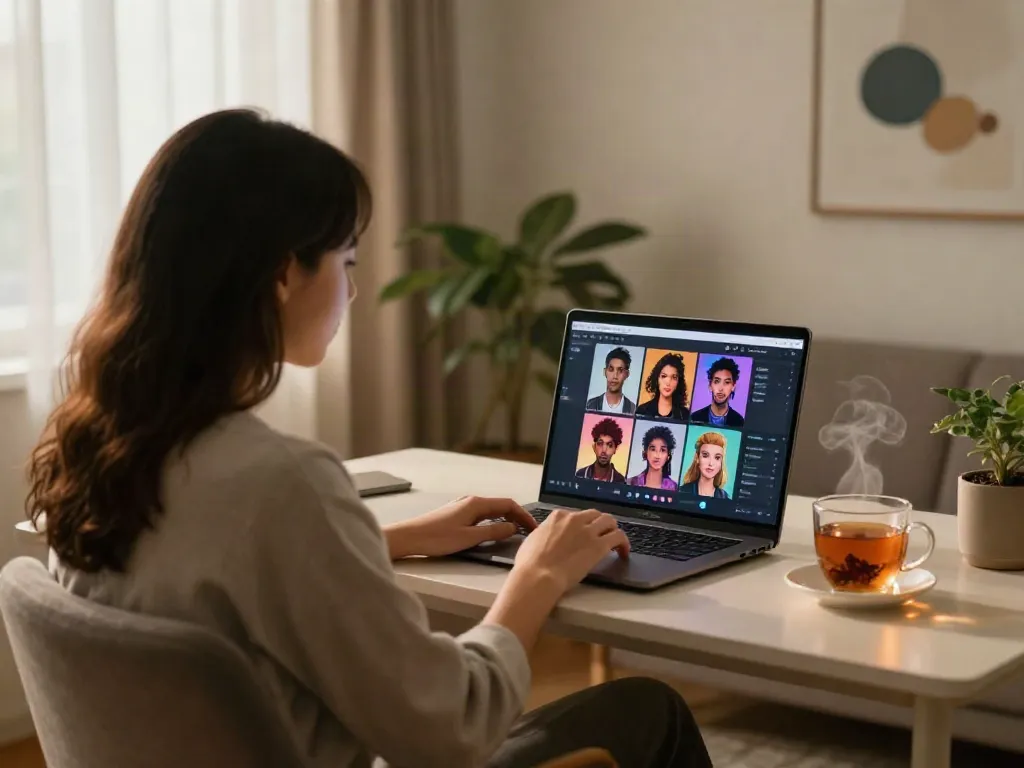
Facial recognition technology has evolved rapidly over the past few years, paving the way for a myriad of applications, including age estimation. This technology utilizes advanced algorithms to analyze facial features and provide an estimate of a person’s age based on their appearance. As a result, many individuals are curious to discover how old they actually look compared to their biological age. For those intrigued by this query, exploring platforms that specialize in this service can yield fascinating insights. For instance, to find out how old do i look, various online tools have emerged that utilize AI and machine learning to deliver age estimations with remarkable accuracy.
What is Facial Recognition Technology?
Facial recognition technology (FRT) is a specific application of computer vision and artificial intelligence that identifies or verifies an individual by analyzing facial features from images or video. This technology captures the unique features of a person's face—such as the distance between the eyes, the shape of the jawline, and other facial markers—and compares these to a database of known images. In the age estimation context, FRT assesses visible traits that are commonly associated with aging to give an estimated age, which may differ from one's actual age.
How it Works in Age Estimation
Age estimation via facial recognition employs a range of machine learning techniques to analyze images. Here’s a high-level overview of the process:
- Image Capture: Users upload a photo or utilize a live camera feed.
- Facial Feature Extraction: The algorithm identifies key facial landmarks and extracts vital features.
- Age Calculation: The extracted features are analyzed against a trained model that predicts age based on the appearance of these features.
- Output: The application presents an estimated age based on the analysis.
This process is continually refined by updating the models with new data, which improves accuracy and keeps pace with evolving standards in facial recognition.
Common Misconceptions About Facial Recognition
Despite the impressive capabilities of facial recognition technology, there are common misconceptions associated with its accuracy and reliability. Many users believe:
- All age estimation tools are highly accurate.In reality, accuracy can vary significantly based on the algorithm and the quality of the input image.
- Facial recognition only works well in ideal lighting conditions.While lighting can affect results, many modern algorithms are designed to perform well in various conditions.
- Privacy is guaranteed when using these apps.Users must be cautious, as data collection practices can vary widely.
Steps to Use Age Estimation Apps Effectively
Choosing the Right App for How Old Do I Look
With numerous applications available, selecting the right age estimation tool is essential. Factors to consider include:
- User Reviews: Check ratings and feedback from other users to gauge reliability.
- Privacy Policy: Review how the app handles personal data and images.
- Features: Look for features that suit your specific needs, such as sharing options or additional editing tools.
Popular applications like FaceAge.ai and Fotor are frequently recommended for their accuracy and user-friendly interfaces.
Maximizing Accuracy with Optimal Photo Conditions
The accuracy of age estimation greatly depends on the quality of the photo used. Here are tips to enhance the accuracy:
- Use Good Lighting: Natural light is preferable; avoid harsh shadows or bright highlights.
- Face the Camera: Ensure your face is directly facing the camera for the best results.
- Avoid Filters: Artificial enhancements can distort the facial features and lead to inaccurate results.
Understanding the Privacy Implications
As users engage with age estimation apps, it's vital to understand the privacy implications. Ensure that the app you choose:
- Does Not Store Your Data: Opt for apps that either delete your image after analysis or clearly outline their data retention policy.
- Provides Anonymity: Check whether the app anonymizes user data.
- Offers Secure Transactions: Look for applications that use encryption for any uploaded data.
Engaging with Friends and Family
Making it a Fun Activity
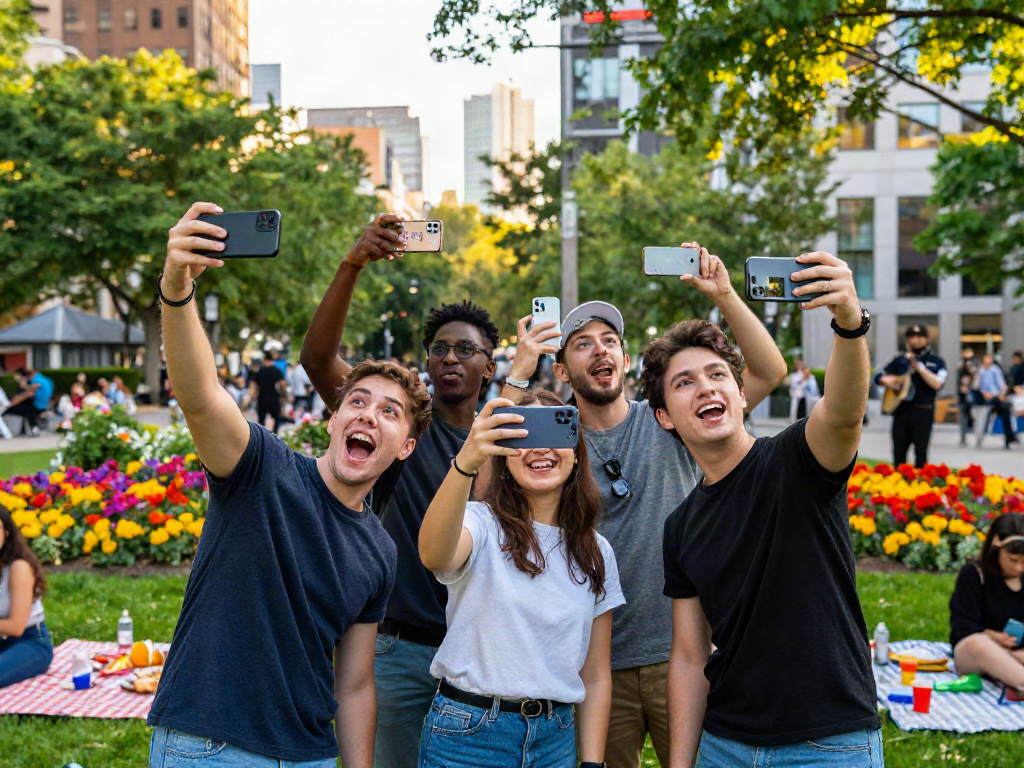
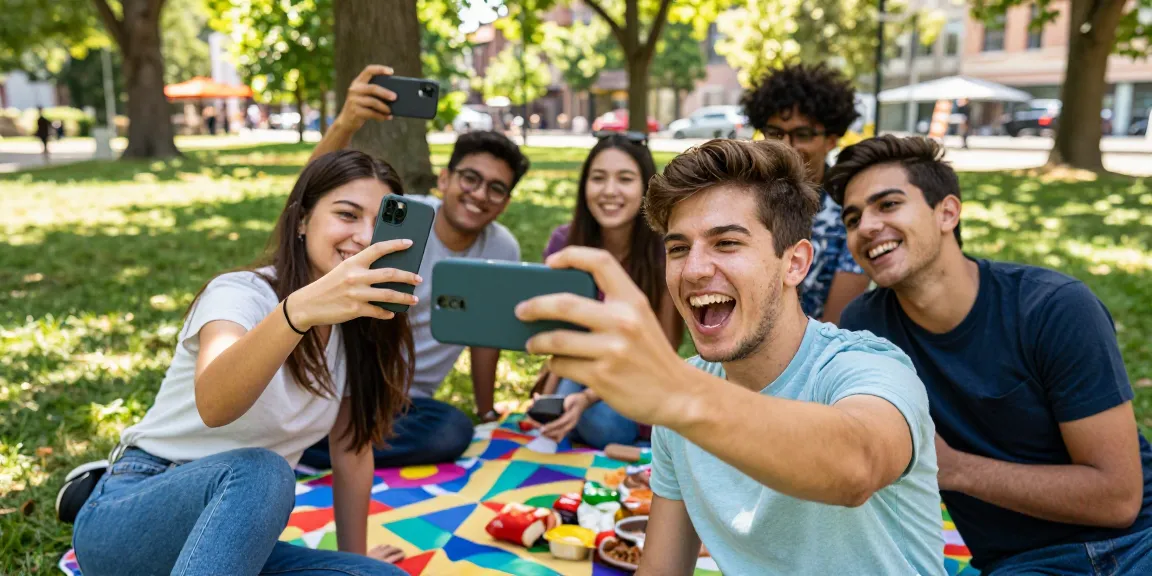
Using age estimation apps can become a fun social activity. Organizing a get-together where friends and family can upload their photos and compare results adds an element of excitement. This can turn a simple curiosity into a memorable experience filled with laughter and friendly banter.
Sharing Results on Social Media
Many apps allow users to share results directly on social media platforms. This feature can enhance engagement and lead to discussions about perceptions of age and beauty in different cultures. Be mindful of privacy settings when posting results online to protect personal information.
Using the App for Events and Gatherings
Consider incorporating age estimation apps into various events, such as birthdays or family reunions. Creating a lighthearted competition around who looks the youngest or oldest can engage attendees and add a unique twist to traditional gatherings.
Future Trends in Age Estimation Technology
Advancements in AI and Machine Learning
The future of age estimation technology is promising, with advancements in AI and machine learning leading to more nuanced and accurate assessments. Enhanced algorithms will increasingly consider dynamic factors, including facial expressions and environmental context, yielding even more comprehensive age assessments.
Predictions for User Interaction in 2026
As technology continues to advance, by 2026, it is predicted that user interactions will become more immersive. Virtual reality (VR) and augmented reality (AR) experiences may be integrated with age estimation apps, allowing users to visualize how they might age over time in lifelike environments.
The Role of Personalization in User Experience
Future age estimation technologies are expected to be highly personalized, understanding individual user preferences and feedback to enhance the overall experience. This may include tailored recommendations for skincare or lifestyle changes based on a user’s estimated age, promoting a more holistic approach to beauty and wellness.
Frequently Asked Questions
How accurate is the age estimation feature?
The accuracy of age estimation can vary between applications. Some are specifically designed using extensive datasets, while others may be less reliable. Generally, leading apps can produce accurate estimates within a few years of a person’s actual age.
Can these apps be used for professional purposes?
While age estimation applications can provide interesting insights, they are generally not recommended for professional use unless they are specifically validated for such purposes, such as in marketing or beauty industries.
What are the best practices for taking selfies?
- Ensure the camera is at eye level.
- Use a clean background to avoid distractions.
- Take multiple shots to capture the best one.
Are there any age restrictions for using these apps?
Most age estimation apps do not enforce strict age restrictions; however, users should be aware that some applications may require parental consent for individuals under a certain age, typically 13 or 18.
How do I ensure my privacy while using age estimation tools?
To protect your privacy, research the app’s privacy policy, only upload images that you are comfortable sharing, and understand the data handling practices of the application you choose.