Understanding the Celebrity Look Alike Phenomenon
The fascination with celebrity look alikes has captivated the collective imagination, prompting countless conversations, jokes, and even social media trends. Nowadays, many individuals are eager to know which famous personality they resemble the most. The rise of technology has made this quest easier than ever. Various applications enable users to upload their photos and receive instant assessments of which celebrities they resemble, making the chance to discover your identity’s doppelganger not only fun but also accessible. When exploring options, celebrity look alike platforms offer a myriad of features designed to enhance user experience.
What is a Celebrity Look Alike?
A celebrity look alike refers to someone who shares a remarkable resemblance to a famous personality. This phenomenon can occur at various levels, from striking similarities in facial features to uncanny resemblances in mannerisms and style. In pop culture, look alikes often gain recognition, sometimes even stepping into the limelight through impersonation or tribute acts. The fascination lies not only in the resemblance itself but also in the stories and identities intertwined with those faces.
Historical Context and Cultural Significance
The concept of look alikes is not new; it has historical roots dating back centuries. People have often found doppelgangers in art, literature, and theater, where actors emulate the likenesses of prominent figures to entertain or critique. In contemporary culture, the rise of social media platforms has created a new venue for people to share their look-alike experiences, leading to viral trends and community engagement surrounding the phenomenon. Celebrities also play a crucial role in this narrative, with many discovering they have look-alikes in unexpected places.
Technological Advancements in AI Recognition
With recent advancements in artificial intelligence, the accuracy of identifying celebrity look alikes has greatly improved. Algorithms now analyze facial features, skin tones, and even hair texture to match users with celebrities. AI technologies such as deep learning and neural networks are at the forefront, allowing applications to process images and provide reliable suggestions in a matter of seconds. As technology progresses, these apps will only enhance user experiences, providing deeper insights into the science behind facial recognition.
How to Use Celebrity Look Alike Apps Effectively
To maximize the benefits of celebrity look alike applications, users should adopt a strategic approach that enhances their experience and ensures more accurate results. Understanding how to choose the right app, adhering to best practices for photo uploads, and being aware of privacy concerns can make a significant difference in usability.
Choosing the Right Celebrity Look Alike App
Not all apps are created equal, and choosing the right one is crucial for a satisfactory experience. Some apps may focus more on entertainment, while others leverage advanced algorithms for accurate results. Considering user reviews, app ratings, and the underlying technology can help you select the best option for your needs. Popular choices include the likes of "Celebs Like Me" and various AI-powered platforms that innovate continually to offer precise matches.
Best Practices for Uploading Photos
When using celebrity look alike apps, adhering to specific photo guidelines can ensure that the results are as accurate as possible. Here are some best practices:
- Use clear, high-resolution images: Ensure good lighting and clarity to help the app analyze your features effectively.
- Avoid filters: Filters can distort your true likeness, leading to less accurate results.
- Facial visibility: Make sure your face is clearly visible and not obstructed by accessories or objects.
Understanding Privacy and Data Usage
With the rising concern about data privacy, it's essential to understand how your images and personal data are being used by these apps. Review the privacy policies of any app you intend to use, ensuring they don’t store your data without consent and have measures to protect your information. Being informed about data usage helps enhance security and fosters trust in the technology.
Common Misconceptions about Celebrity Look Alikes
As with any trending topic, misconceptions often arise, leading to misunderstandings regarding the accuracy and reliability of celebrity look alike applications. Addressing these myths can help users navigate their experiences more effectively.
Debunking Myths About Accuracy
One common misconception is that these apps provide definitive results. In reality, while many algorithms are sophisticated, they are not infallible. Factors such as lighting, facial expressions, and image quality can heavily influence outcomes. Users should view results as suggestions rather than concrete matches.
How Celebrity Look Alike Apps Handle Variances
Apps typically employ advanced algorithms to account for variations in facial features, context, and angles. While they aim for accuracy, it’s essential to remember that human perception plays a role in how we interpret resemblance. Consequently, some people may find the results amusing or surprising rather than expected.
Addressing User Concerns and Feedback
Many users express concerns about the ethical use of their images in these applications. Ensuring transparency regarding data handling and user agreements can mitigate these worries. Additionally, developers continually refine their offerings based on user feedback, enhancing the overall user experience and addressing common pain points.
Real-World Applications of Celebrity Look Alike Technology
The technology behind celebrity look alike applications extends beyond entertainment. Various industries are beginning to explore its potential, including marketing, branding, and even psychology.
Entertainment Industry Use Cases
The entertainment industry has embraced celebrity look alike technology for casting and promotional purposes. Production companies often utilize look alike apps to find impersonators for films, commercials, or events. This not only serves commercial needs but also enriches the audience’s engagement with beloved characters and celebrities.
Marketing Strategies Utilizing Look Alike Trends
Marketing campaigns have begun to incorporate the concept of look alikes to connect with audiences. By using celebrity doppelgangers, brands can create humorous or relatable advertisements, tapping into viral trends that resonate with potential customers. This technique can humanize brands and foster a deeper connection with consumers.
Influence on Social Media and Branding
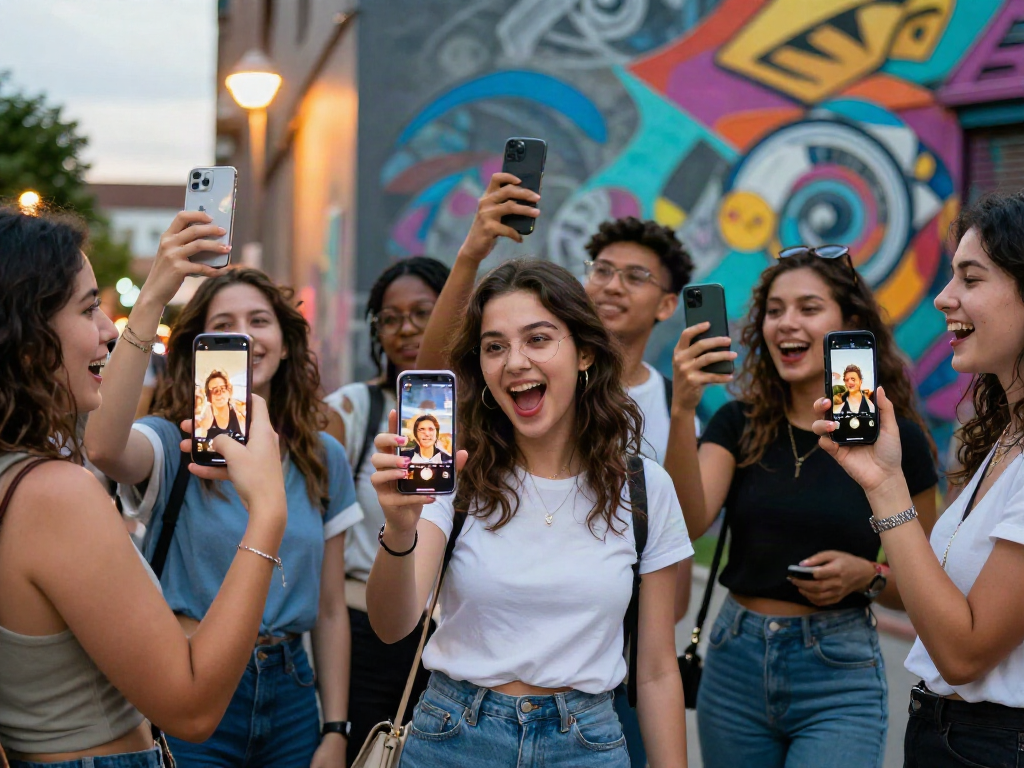
Social media platforms have become a breeding ground for look alike trends, with users sharing their results widely. This engagement can be harnessed by brands seeking to increase visibility and improve connection with their target audience. Integrating look alike technology into marketing strategies can enhance brand recognition and drive user interaction.
Future Trends in Celebrity Look Alike Technologies
The future holds promising innovations for celebrity look alike technology. As AI continues to evolve, we can expect to see enhanced features that make the user experience even more enjoyable and relevant.
Innovations on the Horizon for 2026
Expect to see further developments in the field of AI-driven personalization, allowing for even more nuanced celebrity matches. This could include integrating user preferences or even behavioral insights to enhance the accuracy of results. Improved mobile technologies may also allow for real-time celebrity matching during events or gatherings.
Exploring User Engagement and Community Building
Engaging communities around celebrity look alikes could become a significant trend. By creating platforms where users can share their experiences, celebrate their results, and connect with others, the industry could foster a sense of belonging and enjoyment. This engagement could lead to collaborative events or competitions showcasing the best celebrity look alike matches.
Ethical Considerations in AI Technology
As technology advances, ethical considerations will become crucial. Developers must prioritize user consent and data security, ensuring that individuals feel safe sharing their images. Discussions around the implications of AI in generating likenesses will also become vital, aiming to respect individual identity while embracing innovation within the industry.
What technologies are behind celebrity look alike apps?
Celebrity look alike apps utilize advanced AI algorithms. Neural networks and machine learning techniques are essential in analyzing images and determining likeness. These technologies enable the app to learn from vast datasets, refining its matching processes over time.
Can I trust the results from celebrity look alike generators?
Trust in results largely depends on the app's credibility. Well-established applications with positive user feedback typically provide reliable results. Users should manage their expectations, understanding that these technologies are continually evolving and may not always yield perfect matches.
How can I find my celebrity look alike?
Finding your celebrity look alike is simple with modern technology. Download a reliable celebrity look alike app, upload a clear photo, and let the algorithm do its magic. Within seconds, you’ll receive suggestions of celebrities you resemble, making the process fun and engaging.
Do celebrity look alike apps store my personal data?
This varies by application. It’s crucial to read the privacy policy before using any app. Reputable developers prioritize user privacy and inform users about data storage methods. Understanding these aspects helps participants make informed choices about sharing their data.
Are there any risks associated with using celebrity look alike apps?
Like any technology involving personal data, risks do exist. Users should be aware of potential data breaches or misuse of their images. Utilizing established apps with a solid reputation can help mitigate these risks, ensuring more secure interactions.