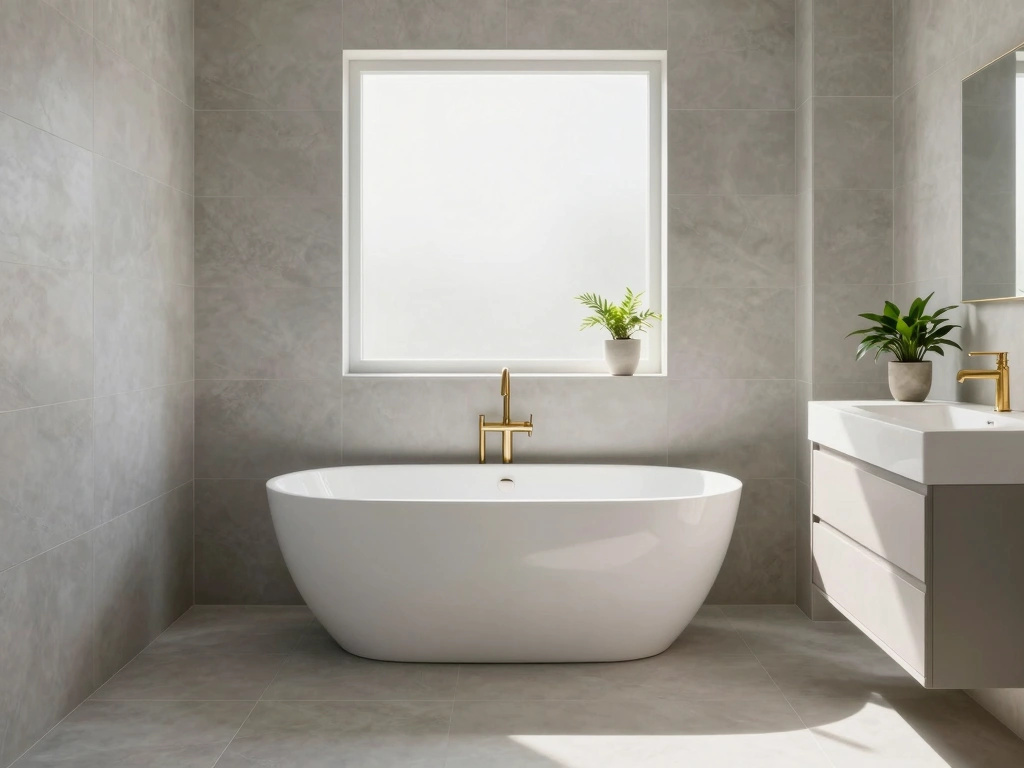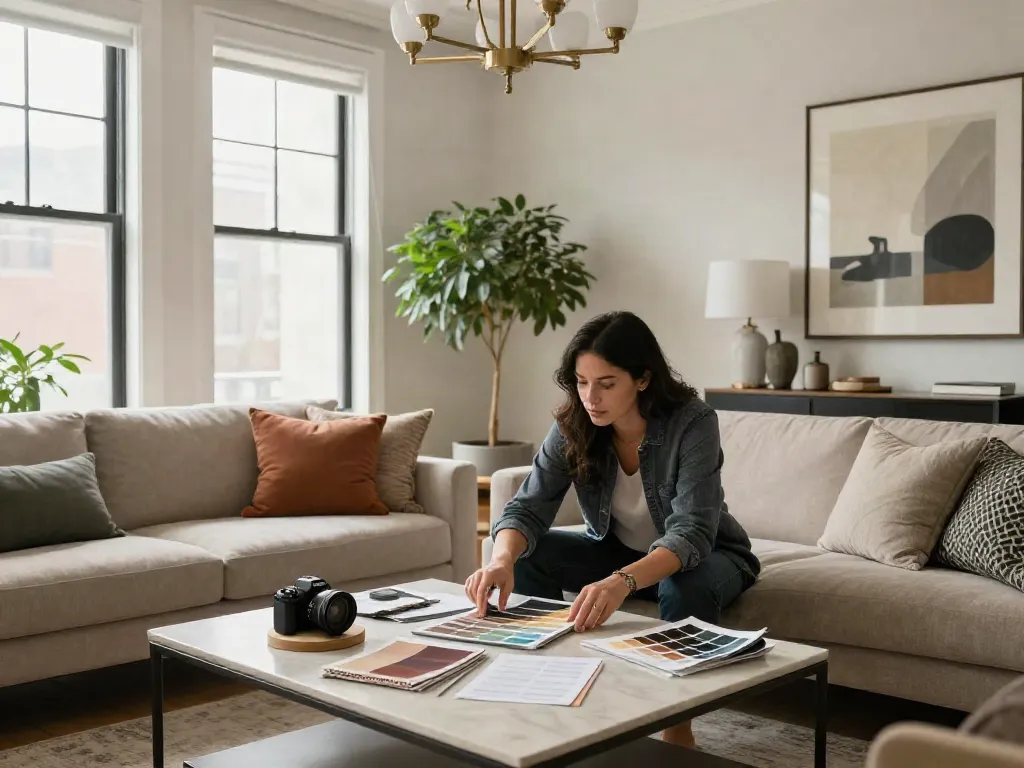
Understanding the Role of an Interior Designer in Brooklyn NY
In the bustling and vibrant borough of Brooklyn, the role of an interior designer brooklyn ny goes far beyond mere aesthetics. These professionals are essential in transforming spaces into functional and inviting environments. They bridge the gap between art and practicality, ensuring that every aspect of design works harmoniously to enhance the overall experience of living in a metropolitan area. With diverse architectural styles and unique homeowner needs, interior designers play a pivotal role in shaping the character of Brooklyn residences.
What Does an Interior Designer Do?
Interior designers are tasked with more than just decorating a room; they take a comprehensive approach to spatial design. Their responsibilities include:
- Assessing client needs and lifestyle requirements
- Creating floor plans that maximize space efficiency
- Selecting appropriate materials, colors, and furnishings
- Coordinating with contractors and suppliers
- Ensuring compliance with local building codes and regulations
By integrating these elements, interior designers create cohesive environments that reflect the personalities and preferences of their clients. Their expertise can greatly enhance the atmosphere of residential and commercial spaces alike.
Benefits of Hiring an Interior Designer
Investing in an interior designer can yield numerous benefits, especially in a dynamic market like Brooklyn. Here are some reasons why hiring a professional is advantageous:
- Expertise: Designers bring a wealth of knowledge and experience in space planning, color theory, and materials.
- Time-Saving: They streamline the design process, saving clients the time and effort of managing every detail.
- Budget Management: Designers help clients maximize their budgets while minimizing costly mistakes.
- Access to Resources: Professionals often have connections with suppliers and craftsmen, ensuring exclusive access to quality materials.
Ultimately, the expertise of interior designers can transform a vision into a reality, creating spaces that are both beautiful and functional.
Common Misconceptions about Interior Design
Many homeowners hold misconceptions about what interior designers do. Some common myths include:
- Only for the Wealthy: Interior design is often associated with luxury, but many designers cater to a range of budgets.
- They Just Decorate: In reality, designers are trained in architectural principles and project management.
- Too Constrictive: A good designer understands the client's vision, enhancing it rather than dictating it.
Clearing up these misconceptions can open the door for more homeowners to consider the advantages that professional design can provide.
How to Choose the Right Interior Designer in Brooklyn NY
Selecting the right interior designer is crucial for the success of any project. To make an informed choice, consider the following factors:
Key Factors to Consider When Selecting a Designer
When evaluating potential designers, keep these key aspects in mind:
- Portfolio Experience: Review their past projects to gauge style and versatility.
- Design Philosophy: Ensure their design approach aligns with your own vision.
- Communication Skills: Proficient communication is essential for a successful collaboration.
- Budget Understanding: A clear understanding of your budget will help find a designer who can work within it.
Evaluating Portfolios and Previous Work
Examine a designer's portfolio to see their range and style. Look for:
- A variety of projects that showcase their versatility
- Attention to detail in completed spaces
- Client testimonials that reflect satisfaction and results
Evaluating past work allows you to envision how the designer might approach your unique space and aesthetic needs.
Understanding Design Styles and Compatibility
Every designer has a unique style. Familiarize yourself with various design aesthetics, such as:
- Modern: Clean lines and minimalism.
- Traditional: Classic furniture and rich colors.
- Eclectic: A mix of styles for a personalized look.
Choosing a designer whose aesthetic aligns with your tastes ensures a harmonious collaboration.
Custom Furniture and Cabinetry Trends for 2026
As we look ahead to 2026, custom furniture and cabinetry trends are evolving to meet the demands of modern living. Key trends to consider include:
Popular Materials and Finishes for Luxury Homes
In luxury home design, the choice of materials is paramount. Some popular options include:
- Natural Wood: The timeless appeal of wood continues to dominate furniture designs.
- Metal Accents: Incorporating metals like brass or chrome adds a contemporary touch.
- Eco-Friendly Materials: Sustainable options are gaining popularity, reflecting an increasing awareness of environmental impact.
As homeowners prioritize uniqueness and sustainability, these materials can enhance both the beauty and functionality of spaces.
Integrating Functionality with Aesthetics
In modern interiors, the balance between functionality and aesthetics is crucial. Designers are focusing on:
- Multi-Functional Furniture: Pieces that serve dual purposes are becoming increasingly popular.
- Space-Saving Solutions: Smart designs tailored for urban living efficiently utilize available space.
This trend not only maximizes usability but also contributes to a more organized and stylish environment.
Custom Solutions for Unique Spaces
Each home presents its own challenges, especially in densely populated areas like Brooklyn. Custom cabinetry and furniture can address specific needs, including:
- Built-Ins: Custom built-in shelving and storage solutions make the most of limited space.
- Tailored Designs: Unique furniture pieces that fit seamlessly within the client's vision.
These tailored solutions can significantly enhance the functionality and appeal of a home.
Challenges in Interior Design Projects in Brooklyn NY
While the process of interior design can be rewarding, it is not without its challenges. Some common obstacles faced in Brooklyn include:
Navigating Space Limitations in Urban Environments
Brooklyn's unique urban layout often results in compact living spaces, necessitating creative design solutions. Designers must find ways to:
- Maximize natural light
- Optimize layout for functionality
- Incorporate storage in innovative ways
Strategic planning is essential to create livable and aesthetically pleasing spaces in these challenging settings.
Managing Budgets without Sacrificing Quality
With the rising costs of materials and labor, managing a budget is crucial. Designers must prioritize spending in ways that maintain quality while accommodating client needs. This can include:
- Choosing cost-effective materials that don't compromise durability
- Implementing phased projects to spread costs over time
An experienced designer can help clients navigate these financial constraints effectively.
Keeping Up with Changing Client Preferences
Client preferences are continually evolving, influenced by trends and lifestyle changes. A successful designer must:
- Stay updated with current trends
- Adapt designs to reflect modern sensibilities
Being receptive to client feedback and preferences is key to ensuring satisfaction throughout the design process.
Future Trends in Interior Design for 2026
The field of interior design is ever-evolving. As we approach 2026, several trends are anticipated to gain traction:
Eco-Friendly Design Approaches and Sustainability
With a greater focus on environmental impact, sustainable design will become increasingly important. This includes:
- Utilizing renewable materials
- Incorporating energy-efficient lighting and appliances
Homeowners are becoming more conscientious, prompting designers to adopt eco-friendly practices.
The Rise of Smart Home Integration
As technology advances, smart home systems are becoming common. Designers will need to consider:
- Integration of smart devices into their designs
- Ensuring user-friendly control and accessibility
This trend allows homeowners to enhance convenience without sacrificing style.
How to Stay Ahead of Design Trends
Staying ahead in the interior design industry requires continual learning and adaptation. Designers can maintain relevance by:
- Attending industry conferences and workshops
- Following leading design publications and influencers
By staying informed, designers can provide innovative solutions that meet the evolving expectations of their clients.
What is the average cost of hiring an interior designer in NYC?
The average cost for hiring an interior designer in NYC can range between $100 to $250 per hour, depending on the designer's experience and the complexity of the project. Some designers may also offer flat rates based on the scope of work.
Can interior design increase the value of my home?
Yes, effective interior design can enhance the value of a home by improving its aesthetics, functionality, and overall appeal, making it more attractive to prospective buyers.
How long does an interior design project usually take?
The duration of an interior design project varies based on complexity but typically ranges from a few weeks to several months. Detailed projects may require longer timelines due to custom furnishings and renovations.
What are the latest color trends for home interiors?
In 2026, color trends are expected to favor earthy tones, soft pastels, and bold accent colors with natural inspiration, creating a harmonious and inviting atmosphere within homes.
Are virtual consultations effective in interior design?
Yes, virtual consultations have proven effective, allowing designers to connect with clients remotely, share design ideas, and provide guidance, making the process more accessible and flexible.