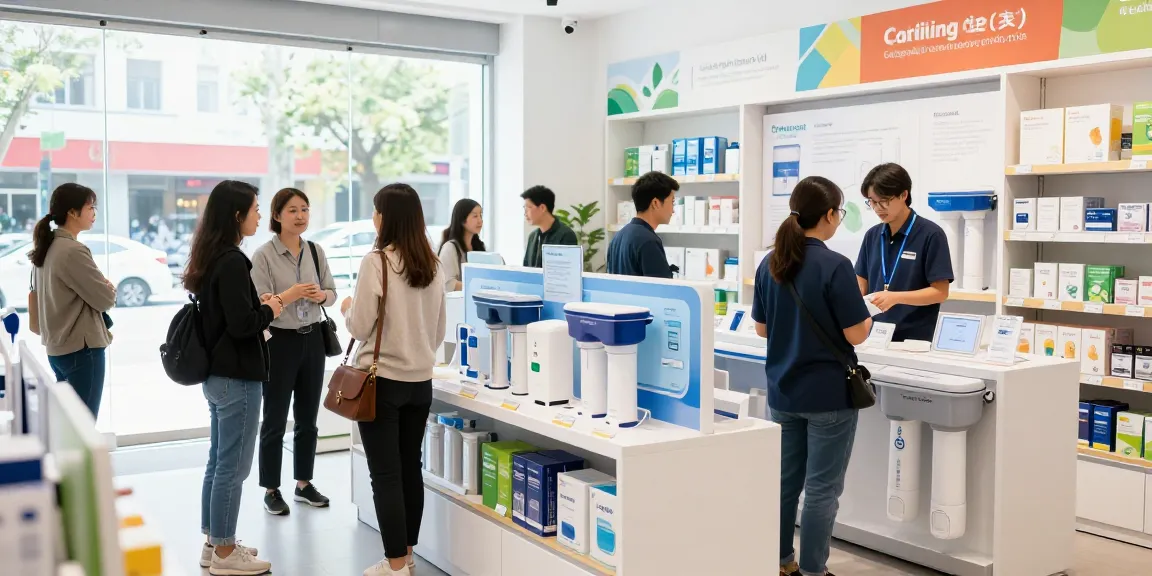
Understanding Water Filtration Systems
Water filtration systems are essential in ensuring access to clean and safe drinking water. With increasing concerns about water quality due to pollution and aging infrastructure, understanding how these systems work and their benefits is more critical than ever. Whether for a household, commercial space, or agricultural purposes, investing in a reliable water filtration system can significantly enhance your water quality. When exploring options, https://www.ebbfilter.com/shop provides comprehensive insights into various filtration products tailored to different needs.
What Are Water Filtration Systems?
Water filtration systems are appliances designed to remove impurities and contaminants from water, making it safe and pleasant for consumption. These systems are vital for ensuring that our drinking water meets safety standards and tastes good. Filtration can involve various processes, including physical removal, chemical reactions, or biological treatment, all of which contribute to producing clean water.
How Do They Work?
The operation of water filtration systems can vary significantly depending on the technology used. Generally, the process involves passing water through one or more filters that capture impurities. This can include sediment, chlorine, heavy metals, bacteria, and viruses. Different types of filters, such as activated carbon, reverse osmosis membranes, and UV light systems, employ distinct mechanisms to purify water effectively.
Types of Filtration Technologies
- Activated Carbon Filters: Commonly used in household filtration systems, these filters excel at removing chlorine, volatile organic compounds (VOCs), and undesirable tastes and odors.
- Reverse Osmosis: This technology forces water through a semi-permeable membrane that filters out a vast array of contaminants, including heavy metals and toxins.
- Ultraviolet (UV) Purification: UV systems use light to disinfect water, effectively killing bacteria and viruses without adding chemicals.
- Ion Exchange: Often used in water softening systems, this method replaces harmful ions with benign ones, helping to reduce hard water issues.
Debunking Common Water Filtration Myths
Even as awareness of water quality issues grows, several misconceptions about water filtration persist. Addressing these myths is crucial for helping individuals make informed decisions about their health and water consumption.
Myth 1: All Filters Are the Same
Many people assume that all water filters work equally well, but this is far from the truth. Water filters vary in effectiveness depending on their design and the contaminants they target. Understanding the specific needs and challenges of your water supply can guide you in choosing an appropriate filtration system that meets your requirements.
Myth 2: Filtered Water Isn't Safe
There is a common misconception that filtered water can still be unsafe. In reality, properly maintained water filtration systems significantly reduce contaminants and improve water safety. It's essential to regularly replace filters and maintain the system to ensure it functions effectively.
Myth 3: Filtration Is Only for Taste
While taste improvement is a significant benefit of water filtration, the primary purpose is to enhance safety. Many contaminants linked to health issues can affect water quality. Therefore, investing in a filtration system is not just about improving taste; it's about protecting health as well.
Choosing the Right Water Filter for Your Needs
With various options available, selecting the right water filter can be overwhelming. Here are some key factors to consider when making your decision.
Assessing Your Water Quality
Before purchasing a water filtration system, it’s essential to assess the quality of your water. You can do this by obtaining a water quality report from your local municipality or conducting your own tests using home kits. Knowing your water’s pH level, hardness, and presence of contaminants will help you choose a suitable filter.
Understanding Certifications and Standards
Ensure that any filtration system you consider meets industry standards and certifications. The National Sanitation Foundation (NSF) and the Water Quality Association (WQA) offer certifications that guarantee a filter's effectiveness. Look for products that specify the contaminants they can remove and verify their claims through independent testing results.
Budgeting for Water Filtration Solutions
Costs can vary widely among water filtration systems. While some systems may have a higher upfront cost, they can save money in the long run by reducing bottled water purchases and maintenance expenses. It’s essential to consider both the initial investment and long-term costs, including filter replacements and any necessary plumbing modifications.
Implementing Water Filtration in Your Home
Once you’ve chosen a water filtration system that suits your needs, the next step is to implement it effectively in your household. Consider the following options:
Installation Options: DIY vs. Professional
Some water filtration systems are designed for easy DIY installation, while others may require professional help, especially those that integrate with plumbing systems. Assess your comfort level with DIY projects and consider hiring a professional for complex installations to ensure everything is set up correctly.
Maintenance Tips for Optimal Performance
To keep your filtration system functioning at its best, regular maintenance is crucial. This includes periodic cleaning, replacing filters as recommended, and checking for any leaks or signs of wear. Following the manufacturer’s guidelines will prolong the life of your system and ensure clean water is consistently delivered.
How to Monitor Filter Replacement Times
Most filtration systems come with a recommended schedule for filter changes. Some even include indicators that alert you when it's time to replace them. Keeping a calendar or setting reminders can be helpful for managing this essential task and ensuring your water remains contaminant-free.
The Future of Water Filtration Technology
As technology continues to evolve, so does the field of water filtration. Here are some anticipated innovations and trends that could shape the industry in the coming years.
Innovations to Watch in 2026
Emerging technologies, such as smart filters equipped with IoT capabilities, will allow users to monitor water quality in real-time through mobile apps. These advancements promise to enhance user experience and improve filter efficiency, making water filtration more accessible and effective than ever before.
Sustainability Trends in Filtration
With growing environmental concerns, sustainability is becoming a significant focus in water filtration. Innovations that reduce wastage, such as low-flow filtration systems and biodegradable cartridges, are gaining popularity, helping to minimize the environmental impact of water filtration systems.
How Technology Is Changing Water Access
Technological advancements are making clean water access more attainable globally. Portable and affordable filtration solutions are emerging for use in disaster relief efforts and developing regions, ensuring that everyone has access to safe drinking water.
What Do You Want to Know About Water Filtration?
As consumers become more informed about water quality, they often have questions about the effectiveness of filters. Common inquiries include:
- Can water filters really improve health? Yes, by removing harmful contaminants, filters can lead to better overall health.
- What are the most recommended filters on the market? It's essential to research various brands and read reviews to find the best options for your needs.
- Are reverse osmosis systems worth it? For those with high levels of contaminants or specific health concerns, the benefits of reverse osmosis can outweigh the costs.
- How often should you change your water filter? This depends on the type of filter and usage, with most needing replacement every 6 to 12 months.
- What are the environmental impacts of water filtration? Understanding the impact of materials used and disposal methods is crucial when considering environmental sustainability.