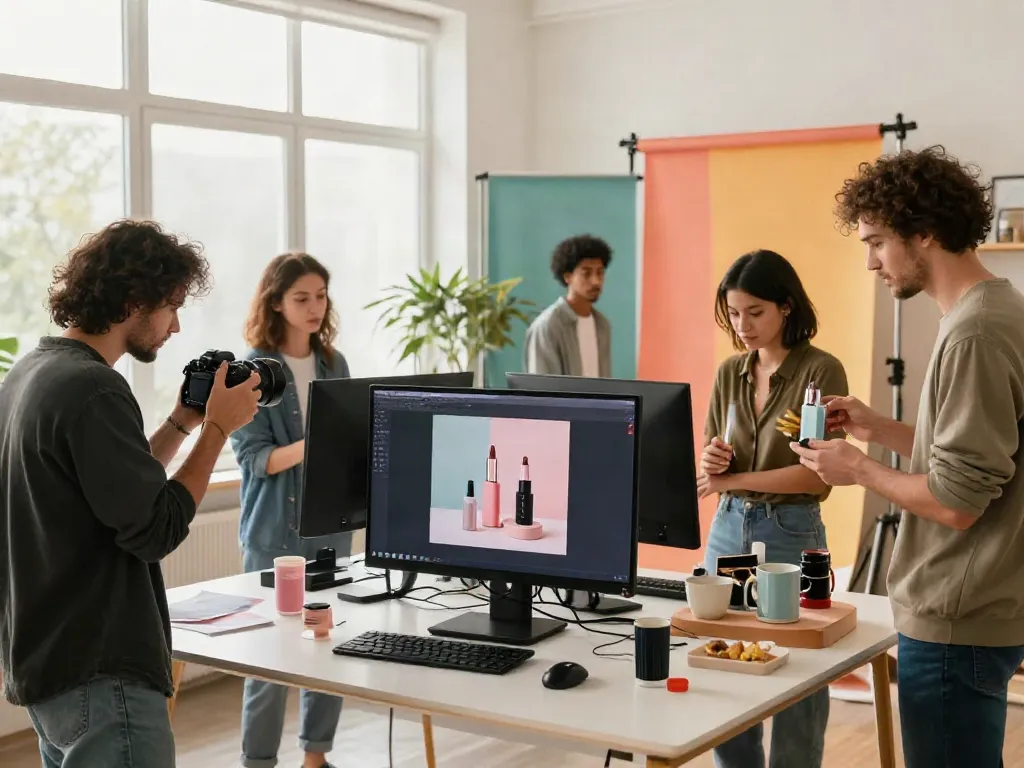
Understanding AI Product Photo Generators
In the rapidly evolving world of e-commerce, high-quality product photography has never been more critical. With the rise of artificial intelligence, tools like the AI product photo generator are revolutionizing how businesses create compelling images that not only attract customers but also drive sales. This technology leverages advanced algorithms to transform basic smartphone images into stunning, market-ready photos, providing an accessible solution for businesses of all sizes.
What is an AI product photo generator?
An AI product photo generator is a software tool designed to automate the process of creating professional-quality images from basic photographs. The technology utilizes machine learning and artificial intelligence algorithms to analyze the uploaded image and enhance it to meet the specifications of e-commerce platforms. By inputting a simple photo, businesses can receive multiple high-quality images suitable for online listings, eliminating the need for expensive photoshoots.
How does it streamline e-commerce photography?
Traditional product photography often involves a lengthy and expensive process that includes hiring professional photographers, renting studio space, and purchasing props and backdrops. In contrast, AI product photo generators streamline this process significantly. By enabling users to upload a single snapshot taken with their smartphone, the tool can instantly create multiple polished images tailored for different platforms. This not only saves time but also reduces costs, making it an ideal solution for small to medium-sized businesses.
Key benefits of using AI technology in product images
- Cost-Effective: Significantly reduces expenses related to professional photography.
- Time Efficient: Produces high-quality images in minutes instead of days.
- Accessibility: Enables even those without photography skills to create stunning visuals.
- Consistency: Ensures uniformity across product images, which is vital for branding.
- Customization: Allows for specific adjustments based on various e-commerce platform requirements.
Getting Started with Your AI Product Photo Generator
To leverage the full potential of AI product photo generators, it's essential to understand how to get started effectively. This includes choosing the right platform, preparing your images properly, and adopting best practices in phone photography.
Choosing the right platform for your needs
With numerous options available, selecting the right AI photo generator can be overwhelming. Look for platforms that offer user-friendly interfaces, a variety of customization settings, and support for multiple output formats. Consider your specific needs—such as the volume of images needed and the types of products you sell—as these factors will determine which tool best suits your business.
Essential steps to prepare your images for upload
Preparing your images for upload involves ensuring that the photo is clear, well-lit, and captures the product in its entirety. Here are some essential steps:
- Ensure good lighting: Natural light is preferred; avoid flash which can distort colors.
- Keep the product centered and in focus, with the label facing the camera to ensure readability.
- Remove any distractions from the background to emphasize the product.
- Use a steady hand or a tripod to prevent blurriness.
Best practices for taking effective smartphone product photos
To optimize your smartphone photography for AI processing, follow these best practices:
- Full Framing: Make sure the entire product is visible within the frame and avoid cutting off any parts.
- Stable Position: Keep your phone level to avoid angled or distorted images.
- Background Choice: Use a simple white background for clean pack shots or choose an appropriate setting that complements the product.
Maximizing Output Quality with AI Tools
Maximizing the quality of your generated product photos involves understanding output settings, avoiding common mistakes, and tailoring your images for specific sales platforms.
Setting specifications for optimal results
When using an AI product photo generator, specifying your requirements can dramatically impact the outcome. Indicate the desired image format, dimensions, and any specific styling needs. For instance, if you need images for Instagram, you may opt for the 4:5 aspect ratio. If your goal is to create a clean pack shot, make sure to leave fields blank that pertain to additional styling elements.
Common mistakes to avoid during the photo generation process
There are several pitfalls to avoid when using AI product photo generators:
- Unclear Images: Avoid using blurry or poorly lit images, as this can affect the quality of the output.
- Incomplete Products: Ensure that all parts of the product are captured; the AI cannot invent missing components.
- Overlooking Details: Always check that critical label text is clear and legible in the original photo.
Adjusting output settings for various platforms (e.g., Shopify, Amazon)
Every e-commerce platform has specific requirements for images, from resolution to aspect ratio. Familiarizing yourself with these specifications can help you customize your outputs effectively. For example:
- Amazon: Typically prefers images that are at least 1000 pixels in width for zoom capability.
- Shopify: Recommends using images in a square format (1:1) for optimal display on product pages.
- eBay: Encourages high-quality images with no less than 1600 pixels on the longest side.
Real-World Examples and Case Studies
Understanding the tangible benefits of AI product photo generators can be enhanced by examining real-world use cases and analytics that showcase their effectiveness in e-commerce.
Success stories from e-commerce brands
Many brands have successfully leveraged AI product photo generators to enhance their online presence. For example, a small skincare company saw a 30% increase in conversion rates after switching to AI-generated images that better showcased their product details. These images not only saved the brand significant amounts in photography costs but also improved customer engagement.
Comparative analysis of AI-generated versus traditional photography
In many instances, AI-generated photos can match the quality of images produced by professional photographers. In a recent comparative study, it was found that consumers were equally likely to purchase a product based on AI-generated images as they were with traditional photography, provided the images were clear and well-framed.
Metrics to measure the impact on sales and engagement
To evaluate the effectiveness of using AI-generated images, brands should track key performance indicators (KPIs) such as:
- Conversion Rate: The percentage of visitors who make a purchase after viewing product images.
- Bounce Rate: The proportion of visitors who leave the site after viewing product images without engaging further.
- Customer Feedback: Gathering qualitative data from customer reviews can provide insights into how images impact purchasing decisions.
Future Trends in AI Product Photography
The landscape of AI product photography is continuously evolving, with emerging technologies promising to enhance capabilities further and provide additional benefits to e-commerce businesses.
Emerging developments in AI technology for e-commerce
As AI technology advances, we can expect features such as automated background removal, advanced color correction, and even real-time image optimization based on viewer habits. These innovations will enhance the personalization and effectiveness of product images.
Predictions for the evolution of product photography by 2026
Looking ahead, it is predicted that by 2026, the majority of product images used in e-commerce will be generated or significantly enhanced by AI. This shift will enable brands to upload products quickly and receive images in various styles and formats tailored for diverse audiences.
How to stay ahead in the competitive landscape
Businesses should continually adapt to emerging AI technologies, ensuring they leverage the latest features and updates in AI product photo generators. Staying informed about trends and consumer preferences will enable brands to remain competitive in the ever-changing e-commerce environment.
What do customers expect from product images?
Today's consumers expect high-quality, detailed images that accurately represent the product. They seek transparency and authenticity in visuals, which can significantly influence their purchasing decisions. Clear, detailed images help build trust, leading to increased sales and customer loyalty.
Can AI-generated images replace professional photography?
While AI-generated images can provide a cost-effective and efficient solution, they may not fully replace professional photography in every case. Professional creative input often adds a unique stylistic element that AI may not replicate. However, for everyday product listings, AI technologies are proving to be more than adequate.
Is the AI product photo generator suitable for all industries?
While AI product photo generators can serve a wide range of industries, the effectiveness may vary. For example, fashion and beauty products, where detail and presentation are paramount, may require a more nuanced approach compared to basic consumer goods.
How does AI impact the creative process?
AI impacts the creative process by automating routine tasks, allowing creative professionals to focus on more strategic elements, such as branding and marketing strategy. This shift enhances productivity and enables brands to scale their image creation processes significantly.
What are the limitations of AI product photo generation?
Despite their advantages, AI product photo generators have limitations. They cannot create images from thin air or speculate about missing components in a product. Moreover, complex styling and artistic direction might not be replicable through AI alone.
Is there a cost-effective AI tool for small businesses?
Many AI product photo generators are designed with small businesses in mind, offering flexible pricing plans that accommodate various budgets. Selecting a tool that balances cost with quality and features is essential for maximizing return on investment.